

 See My Latest Article on HelloNation
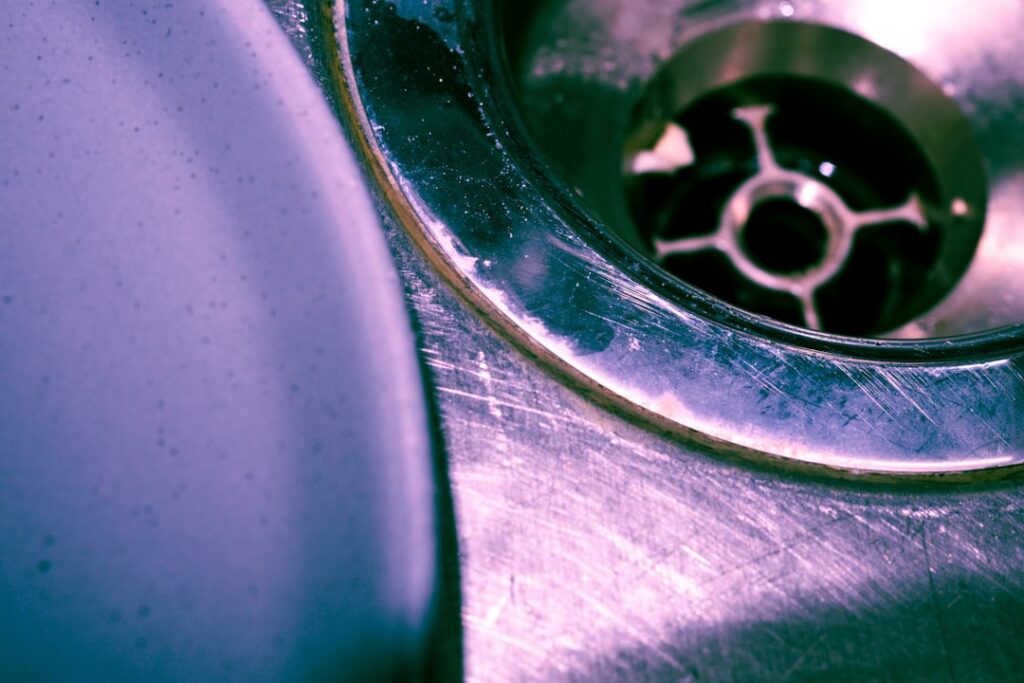
What Causes Garbage Disposal Odors?
Odors from garbage disposals usually result from food debris stuck in the grinding chamber or drain. Shelbyville households, much like in other areas, rely on disposals to limit food waste and keep kitchens tidy, but regular use allows organic material to accumulate over time. This build-up leads to bacteria and unpleasant smells.
Factors like the region’s humid summers can speed up decomposition, making odor prevention especially relevant for those living in and around Shelbyville. A misbelief is that running water and “self-cleaning” design are enough for freshness. In reality, short flushes rarely remove all residue.
What Should and Shouldn’t Go Down the Disposal?
A fresh garbage disposal starts with careful use. Fibrous foods like celery, potato peels, and corn husks are known to wrap around the blades or jam the mechanism. Avoid pouring fats and oils, which can solidify and trap odors. The following is a quick reference for local residents:
- Do put: Citrus peels (in small quantities), soft vegetable scraps, small bones, liquid leftovers.
- Do not put: Coffee grounds, pasta, rice, grease, eggshells, large fruit pits, highly fibrous vegetable peels.
Following these guidelines reduces residue and the frequency of odors. Area households who compost may wish to keep especially odorous food scraps (such as onion and garlic peels) out of the disposal when possible.
How Often Should a Garbage Disposal Be Cleaned?
Weekly to bi-weekly cleaning helps keep most Shelbyville disposals fresh, especially in busier homes. Waiting until there’s a noticeable odor often means debris has lingered too long. More frequent cleaning may be necessary during humid months, or if entertaining guests leads to heavier use.
Short cleaning routines after preparing especially smelly foods—such as seafood—are recommended to avoid persistent odors. Some residents mistakenly believe that only monthly or occasional cleaning is sufficient; in practice, routine attention keeps the system fresher and avoids stubborn build-up.
What Home Remedies Work for Freshening a Disposal?
Several household items can effectively clean and neutralize disposal smells. Baking soda and vinegar is a popular combo for area households: pour 1/2 cup of baking soda into the disposal, followed by 1 cup of white vinegar. Let the mixture fizz for several minutes before rinsing with hot water.
Citrus peels—orange, lemon, or lime—can be ground in small amounts to scent the chamber and loosen oily residues. Use only a few peels at a time and flush thoroughly afterward. Ice cubes and a tablespoon of rock salt, when ground together, can dislodge stuck-on debris from blades and walls.
Boiling water alone is useful for clearing away grease or soap scum, but it’s best to avoid harsh chemicals as these can corrode pipes or harm the disposal unit.
Can Professional Disposal Cleaners Be Used?
Commercial cleaning pods and disposal deodorizers are available, but they are not always necessary. Many local households achieve great results with baking soda, vinegar, and citrus. Some commercial options can leave behind artificial scents or residues that may not appeal to those sensitive to chemicals.

If persistent odors remain after thorough at-home methods, it may indicate a blockage or deeper issue in the plumbing, which isn’t resolved by fragrance-based cleaners.
Should the Rubber Splash Guard Be Cleaned?
The black rubber splash guard (sink baffle) often traps food particles and bacteria, contributing to lingering smells even in a well-maintained system. Residents are sometimes surprised to find that wiping both sides of the guard with a soapy cloth or old toothbrush can greatly improve odors.
Remove the guard if possible, or simply lift the flaps and scrub them while they’re in place. Rinse thoroughly and repeat weekly or as needed.
What About Preventing Mold and Mildew?
In the summer, the climate in Shelbyville encourages rapid mold and mildew growth in moist, enclosed areas like under-sink cabinets. Always run cold water for 15-30 seconds before and after using the disposal to flush away particles. Ensure the cabinet stays dry and check beneath the sink for occasional leaks or puddling.
Airing out the cabinet and removing damp materials (such as misplaced rags or sponges) limits lingering moisture that feeds mold.
Are There Seasonal Considerations?
Households in the area should pay extra attention during warm, humid conditions and after heavy disposal use (such as holiday gatherings). Summer heat can rapidly sour food particles, which means cleaning may need to be more frequent. In colder winter months, fats can harden more quickly, also risking residue build-up.
What if Odors Persist?
If thorough cleaning, flushing, and correct usage practices don’t resolve issues, there may be an underlying plumbing problem or mechanical fault—such as a clog deeper in the drain line or worn/disconnected splash guard. Persistent leaks or sewage odors suggest it’s time for inspection and, if needed, professional attention to prevent more serious issues that could affect the home’s drainage system.