

 See My Latest Article on HelloNation
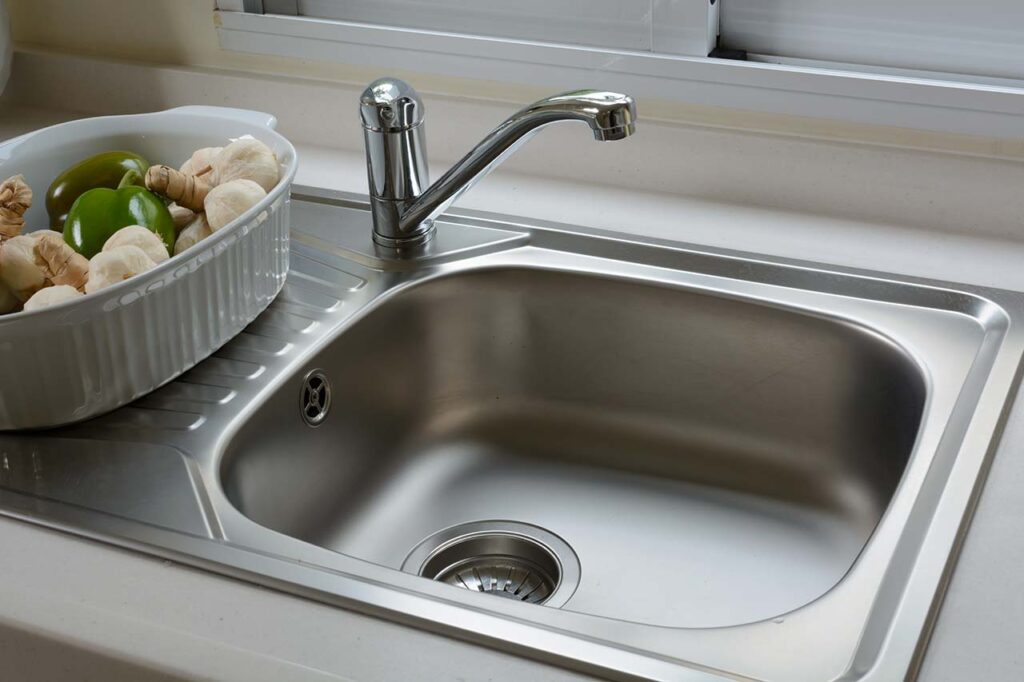
Why Does My Sink Drain Smell Bad?
For many Shelbyville, KY residents, a sudden or persistent bad odor from a kitchen or bathroom sink drain can be both unpleasant and confusing. These smells often have a distinct, sometimes sulfurous or musty quality, and may be especially noticeable after running water, during humid weather, or in sinks that aren’t used frequently. The root causes can be varied, but most are linked to the normal workings—and blockages—of household plumbing.
What Common Causes Lead to Sink Drain Odors?
Most often, smelly sink drains are the result of organic build-up, dry plumbing traps, or venting issues. Here’s a quick summary of the usual culprits:
- Organic matter: Soap scum, food scraps, oils, and hair can collect inside the drain or trap, creating a perfect environment for bacteria that release foul-smelling gases.
- Dry P-traps: The curved pipe beneath each sink (the P-trap) is designed to hold water, which blocks sewer gases from entering your home. If the sink isn’t used regularly, the water can evaporate.
- Drain vent problems: Incomplete or blocked venting can hamper air flow, causing sewer gasses to back up into the house through the drains.
- Clogged or dirty overflow channel: Bathroom sinks often have a small overflow hole that can accumulate grime and mildew.
- Plumbing leaks: A cracked pipe or joint hidden below the sink may allow odors to escape even if the drain seems clear.
How Can Shelbyville’s Climate and Water Table Affect Drain Odors?
Local climate plays a role in how plumbing systems function and why odors may develop. The Shelbyville area experiences humid summers and periods of drying and heating in winter with indoor heating.
- Highly humid weather encourages the growth of bacteria and mold in damp environments like kitchen and bathroom pipes.
- Evaporation during dry or heated months can dry out P-traps—especially in guest bathrooms or utility sinks—which lets sewer gas escape.
- High groundwater or heavy rains may sometimes increase pressure in sewer lines, making smells more noticeable, especially in older homes with less ventilation.
Area homes with basements or crawl spaces may be more likely to experience symptoms linked to soil moisture, which can affect how drains release—or trap—odors.
Is the Smell Dangerous or Just Unpleasant?
For the most part, sink drain odors, while unpleasant, aren’t immediately hazardous. They typically signify a maintenance issue rather than a health emergency. However, it’s wise to address persistent or severe odors, especially when:
- The smell is strong, chemical-like, or makes it hard to breathe.
- Other symptoms occur, such as ongoing slow drains or gurgling sounds.
- Residents experience headaches, dizziness, or nausea near the sink—rare, but possible with concentrated sewer gas.
While most cases are nuisances, they can be a sign of leaks or more serious sewer gas issues, particularly in older homes or where plumbing updates have not been completed.
What Are Practical Steps to Remove and Prevent Sink Drain Odors?
Residents of the city often find relief with a few simple measures, depending on the underlying cause:
- Flush unused drains regularly: Running water for a minute in guest bathrooms or utility sinks will refill the P-trap.
- Clean the drain: Pour boiling water down the drain, followed by a gentle mixture of baking soda and vinegar, to break down organic build-up.
- Check the overflow channel: Use a funnel and pour water with a bit of vinegar into the overflow to clear residue in bathroom sinks.
- Clear visible debris: Remove and clean sink stoppers or strainers of hair, soap chips, or other build-up.
- Ventilation: Ensure that all vent pipes are free from blockages, such as bird nests or debris, especially after local storms or leaf fall.

Shelbyville residents should be aware that chemical drain cleaners, though tempting for odor issues, can sometimes corrode older pipes or fail to target the real source of bacteria. Simple cleaning routines and regular use of all household drains go a long way.
Are There Common Misconceptions About Drain Odors?
Some area households assume new construction or recently renovated homes are immune to these issues. Even newly installed drains can harbor build-up or develop venting issues if traps become dry, or remodeling altered the original vent system.
Others believe that covering the smell with air fresheners will solve the root problem. While masking odors might work temporarily, it’s not a solution if sewer gases are escaping or water traps are dry.
When Should Residents Take Extra Caution?
In most cases, home maintenance can handle routine odors. However, extra caution is warranted if:
- There’s evidence of mold around pipes or under sinks.
- The smell appears in multiple rooms or throughout a home, which can indicate a wider plumbing or sewer venting defect.
- There is a persistent damp spot or visible leak under a sink or in a crawl space.
Unaddressed leaks or recurring sewer gas smells expose households to potential structural or health risks, especially for vulnerable groups like infants, seniors, or those with respiratory conditions.
Why Might Drain Odors Linger Even After Cleaning?
Sometimes, even thorough cleaning doesn’t resolve the odor if the plumbing system itself has a persistent problem:
- Hidden build-up may remain deeper in the pipe or further down the line.
- Older piping materials may be rough inside, allowing debris to cling and bacteria to grow.
- Poorly sloped pipes or sagging drain lines can trap water and debris, leading to ongoing odor issues.
In these cases, persistent smells often point toward deeper plumbing concerns best documented for future repairs or assessments.