
 See My Latest Article on HelloNation
What Are Tankless Water Heaters and How Do They Work?
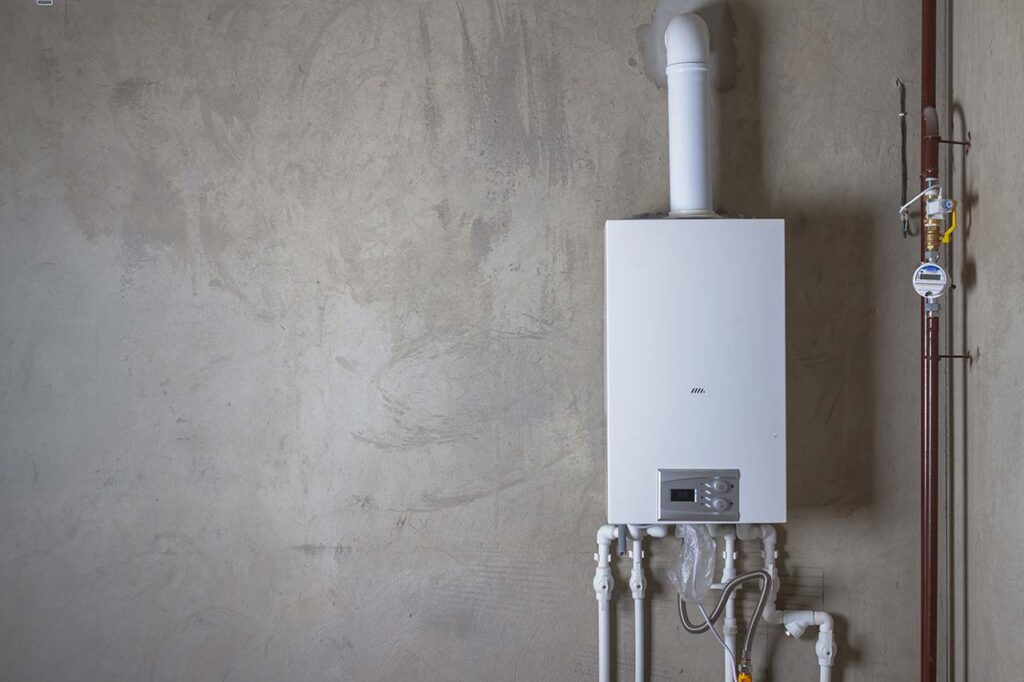
Tankless water heaters, often called "on-demand" units, heat water only when required instead of storing hot water in a tank. In Shelbyville, KY, these systems are typically installed in homes looking to save space or improve energy efficiency.
Instead of keeping a large reservoir of water hot around the clock, tankless systems activate a heat exchanger when you turn on a faucet or appliance. Cold water passes through coils heated by either natural gas or electricity, providing hot water almost instantly.
What Are the Main Pros of Switching to a Tankless Water Heater in Shelbyville?
The primary advantages of tankless water heaters come from efficiency, convenience, and longevity—features that appeal to many area homeowners.
- Energy Savings: These units avoid the standby heat losses of traditional tanks, which is helpful during Shelbyville's colder winters when heating costs can add up. They only heat water as you need it, potentially lowering utility bills, especially in smaller households or among residents who travel frequently.
- Unlimited Hot Water (Within Limits): As long as there’s demand within the unit’s capacity, you won’t run out of hot water mid-shower—something that can be a relief for larger families or during gatherings, typical in rural and suburban neighborhoods.
- Space Efficiency: Without a bulky tank, these heaters can be mounted on walls—ideal for the varying home sizes in Shelbyville, from historic houses to modern builds where space in utility rooms or basements is limited.
- Longer Lifespan: Tankless systems often last 20+ years, outlasting many traditional tank models, which can be valuable for long-term homeowners looking to reduce future replacement hassle.
- Reduced Risk of Major Leaks: No big storage tank means less risk of large-scale water damage from tank failures, a benefit in older homes with original plumbing.
Are There Drawbacks Local Residents Should Consider?
While tankless water heaters offer compelling benefits, there are also limitations and potential challenges—especially in mixed climates and older housing stock common in Shelbyville.
- Upfront Cost: Installation usually requires a larger initial investment than tank models. Many local homes may also need electrical or gas upgrades to meet the needs of high-powered tankless systems, adding to the cost.
- Limited Flow Rate: Each unit is sized by its maximum hot water output per minute. If several fixtures run at once (like two showers and a dishwasher), some systems may struggle to keep up in real time, especially if incorrectly sized or if the home has periods of high demand.
- Colder Incoming Water: Shelbyville winters mean the water coming into pipes can be quite cold, making it harder for some tankless models to reach high temperatures quickly. Flow rates may be reduced in the dead of winter.
- Maintenance Requirements: Mineral build-up from Shelbyville's moderately hard water supply can reduce efficiency and life span if the unit is not flushed and maintained regularly. While not technically advanced, this process can be overlooked by some homeowners.
- No Instant Hot Water at the Tap: Despite the “on-demand” label, there’s still a delay as hot water travels through the pipes to reach your faucet—sometimes longer if the heater is installed far from the main fixtures.
Do Tankless Water Heaters Work Well With Local Water Conditions?
Shelbyville’s municipal water tends to be moderately hard, featuring minerals like calcium that can settle in heating equipment. Tankless units can accumulate scale more quickly than tank systems due to their high-efficiency heat exchangers.
Regular flushing—often every 12-18 months—is recommended to prevent scaling and keep efficiency high. Some households may install pre-filters or water softeners to protect their investment. Failure to address scaling can reduce both energy savings and lifespan.

How Does Local Climate Influence Tankless Water Heater Performance?
During Shelbyville’s colder months, ground and supply water temperatures drop, making the heater work harder to raise water to the desired temperature. Electric tankless water heaters, in particular, may show a noticeable decrease in flow rate or take longer to provide hot water when the weather gets frigid.
For households with high water usage or larger families, it’s sometimes practical to install multiple smaller units at key locations (like bathrooms and kitchens) rather than one central unit.
What Installation Factors Should Shelbyville Residents Keep in Mind?
Homes in the area built before the 1980s might need updates to piping, venting, or electrical systems to support a new tankless heater. Gas units need safe venting outdoors and sufficient gas supply, which may require permits or coordination with utility services.
Additionally, local building codes may have specific requirements for placement and installation. Checking with city regulations or a knowledgeable plumbing inspector can help prevent surprises during installation.
Common Misconceptions About Tankless Water Heaters
- *They deliver instant hot water at every tap.* (In reality, water must still travel through household pipes, so there’s a wait similar to, or slightly longer than, traditional tanks.)
- *Maintenance isn’t necessary.* (Ignoring descaling can significantly shorten the unit’s life.)
- *All homes save big on bills.* (Actual savings depend on usage habits, household size, and installation specifics.)
Who Might Benefit Most, and Who Should Think Twice?
Tankless water heaters often make sense for individuals and small families who value long-term efficiency, wish to free up space, and don’t have consistently high hot water demand. For larger households or homes that regularly use multiple showers or appliances at once, sizing and installation planning become critical—sometimes, a hybrid approach is better.
Older homes or those with hard water should factor in regular maintenance and, if needed, additional equipment like water softeners, to make the most of a tankless system.