
 See My Latest Article on HelloNation
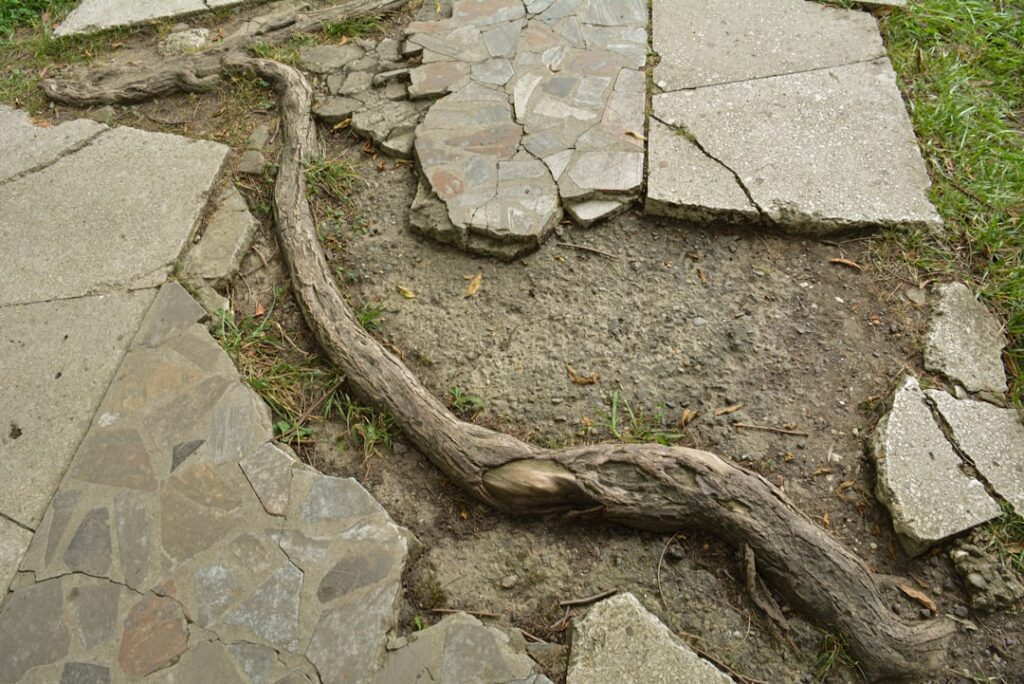
Can Roots Really Break Sewer Pipes in Shelbyville, KY?
Yes, roots from nearby trees and shrubs are a leading source of sewer line problems for many homes in Shelbyville, KY. Pipe walls, especially those made from older clay or cast iron, can be quite vulnerable to invading roots. Once inside, the roots continue growing, creating blockages or even breaking pipes over time.
Most sewer lines run through private yards to city sewer mains. Because Shelbyville features a mix of mature neighborhoods and newer developments, many properties have large, established trees. Their root systems naturally seek out sources of moisture, making sewer lines an attractive target—particularly during dry summer months or periods of inconsistent rainfall.
Why Are Sewer Lines So Attractive to Tree Roots?
Roots are naturally drawn to any consistent source of water and nutrients. Sewer lines, especially older ones, tend to leak small amounts of moisture through joints, tiny cracks, or weak pipe connections.
- Tree species common in Shelbyville, such as maple, willow, and poplar, have roots that are aggressive in searching out water sources.
- Soft, moist soil along the line makes it even more inviting.
- Small leaks act like a beacon, attracting roots right to vulnerable points.
Once roots make their way inside a pipe, they expand, searching for more nutrients and water. Over time, these expanding roots can cause significant blockages and physical damage.
What Types of Sewer Pipes Are Most at Risk?
All sewer lines can be affected by root intrusion, but some are more at risk than others. In Shelbyville, older homes may have pipes made from clay or cast iron. These materials are especially prone to root invasion because:
- Clay pipes are installed in short segments with many joints (potential weak spots).
- Cast iron, over decades, can develop rust and scale that cracks or erodes.
- Even modern PVC pipes can be compromised if installation isn’t perfect or if the ground shifts.
Homeowners living in neighborhoods with mature trees and original plumbing are more likely to encounter these issues, but no material is completely root-proof.
How Do You Know If Roots Are Blocking Your Sewer Line?
The most common symptoms include:
- Gurgling sounds from toilets or floor drains
- Slow draining sinks, showers, or tubs throughout the house (not just in one room)
- Water backing up in floor drains or low-lying fixtures, particularly after laundry or heavy water use
In more severe cases, strong, recurring sewage odors or wastewater pooling in the yard may appear. A patch of unusually lush or fast-growing grass above the sewer route can also signal a leak attracting roots.
Unlike a standard clog, root blockages are likely to return even after temporary fixes if the root system is not addressed directly.
Why Are Root-Related Sewer Problems So Persistent?
Roots don’t stop growing after their first entry into a sewer pipe. Once established, they will continue to expand, creating a dense net that traps grease, paper, and other debris. Even if roots are cleared mechanically (for example, with an auger or drain snake), any cracks or gaps in the pipe still provide opportunities for regrowth.
Repeated blockages are common until the damaged section is fully sealed, replaced, or otherwise protected. In Shelbyville’s climate, root activity tends to increase in the spring and late summer, especially as trees compete for moisture.
What Can Local Residents Do to Prevent Root Damage?
While no solution is completely foolproof, several practical steps reduce the risk of root intrusion:
- Know the location of your sewer line, which local public works departments can usually help identify.
- Avoid planting trees or large shrubs directly over or near the path of the sewer line.
- Choose tree species with less aggressive root systems for new plantings.
- Regularly inspect older pipes (many local plumbers offer camera inspections), especially if you’ve had issues in the past.
- Use water efficiently—reducing unnecessary wet spots in the yard makes pipes less attractive to roots.

Consider that newly planted trees can reach established lines within 10-20 years. What seems far away today may cause future problems as roots expand much farther than expected.
Are Chemical Root Treatments Safe or Effective?
Some property owners hear about chemical "root control" products designed to kill roots inside pipes. These can be effective for minor, early-stage intrusion and are typically applied through a toilet or cleanout.
However, overuse or use of products not intended for sewer lines can harm the environment, kill beneficial soil organisms, or even damage the pipeline itself. It’s important to use only recommended treatments, as allowed by local regulations, and recognize that most chemical solutions only offer temporary relief unless the entry point is sealed.
How Often Should Sewer Lines Be Inspected in Shelbyville?
Routine inspections are especially helpful for homes with large trees, older infrastructure, or a history of sewer backups. While there is no citywide standard, many local households opt for a camera inspection every few years.
Spring and fall are ideal times for inspection since these seasons follow or precede periods of heavy root growth. Early detection usually makes repairs more manageable and less disruptive.
Do Insurance Policies Cover Tree Root Sewer Damage?
Most standard homeowners’ insurance policies do not automatically cover repair costs for sewer lines damaged by tree roots, regardless of whether the roots belong to your trees or a neighbor’s. Some insurance plans offer add-on sewer line coverage, but limitations and exclusions often apply. Checking your policy details can help avoid surprises if a costly repair arises.
What Are Common Myths About Roots and Sewer Lines in the Area?
There are a few persistent misconceptions among Shelbyville residents:
- Only old pipes get root problems: Even newer installations can be affected if connections are loose or the path runs close to thirsty trees.
- Certain tree species are always safe: While some species are less aggressive, no tree is truly "safe" if planted directly over a sewer path.
- Removing a tree guarantees the issue is fixed: Roots left in the ground can continue growing and may invade pipes for several years after a tree is cut down.
Understanding these realities helps area households make better decisions about landscaping, maintenance, and upgrades for long-term sewer health.