
 See My Latest Article on HelloNation
What Should Shelbyville, KY Residents Do First for Plumbing Safety After a Flood?
The first priority after flooding is to ensure your home’s safety before restoring any plumbing fixtures. If there’s standing water in your basement, crawlspace, or living area, avoid all plumbing and electrical systems until authorities or utilities confirm it’s safe to re-enter. Water can transfer hidden currents and make pipes or appliances hazardous.
Once clear, check if the main water shutoff valve is accessible and not submerged. Shutting off the water supply helps prevent additional contamination if pipes are damaged or sewage has backed up. For many homes in the area, this valve is located where the main water line enters the house—often in a basement or utility closet. If you’re unsure, look for diagrams in your homeowner’s manual or public utility information.
How Can Floodwaters Impact Plumbing Pipes and Fixtures?
Floodwater isn’t just rain—it often carries soil, debris, bacteria, and sometimes chemicals. In Shelbyville, many homes rely on both municipal water and older plumbing infrastructure, which can be vulnerable to water movement and contamination. Pipes can crack or shift from water pressure or shifting soil. Flooding may push sewer water into drains, leading to cross-contamination.
Even if faucets and toilets appear to function, assume the water supply is not safe for drinking or bathing until it's been tested or cleared by local authorities. Residual floodwater in fixtures can also leave behind grit or silt. If any water from taps appears cloudy, discolored, or has an odor after a flood, don’t use it.
What Are Key Plumbing Steps to Prevent Mold, Damage, and Health Risks?
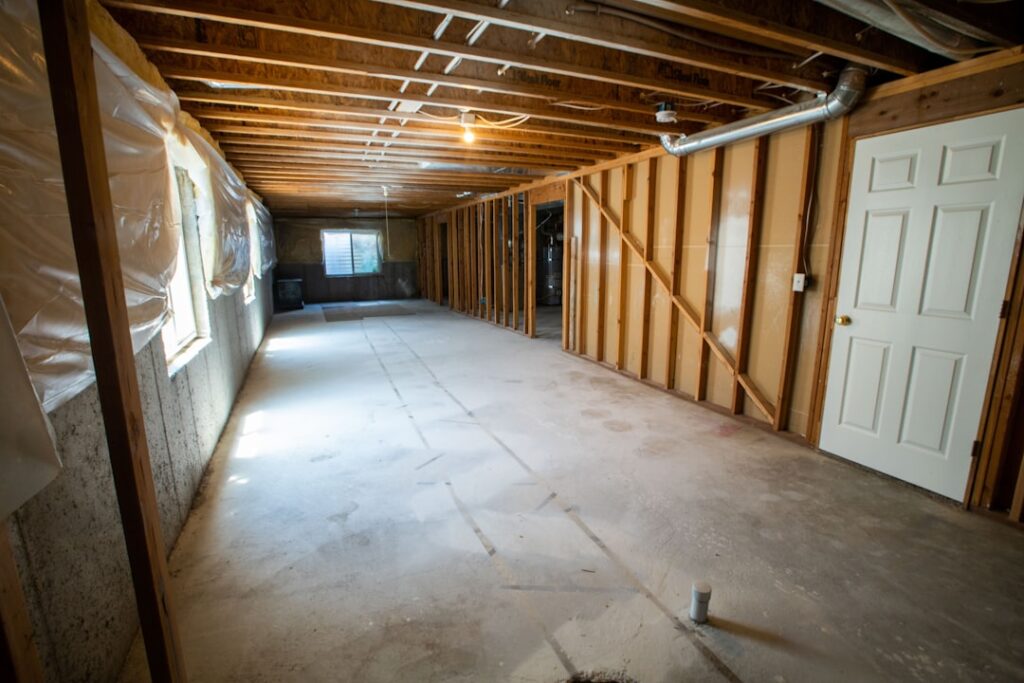
Address standing water and dampness as soon as it is safe. Open windows and doors to improve ventilation if weather allows. Remove as much pooled water as possible with buckets or wet-dry vacuums, especially from lower areas where it might collect around pipes, traps, or drains.
Thoroughly dry the area around water heaters, toilets, and under sinks. Mold can develop quickly in humid summer weather or poorly ventilated areas like basements in the city. Sanitize surfaces with diluted bleach or approved disinfection products—paying special attention to floor drains, the base of fixtures, and any exposed piping.
Check rubber gaskets and seals on washing machines, dishwashers, and water softeners. These may swell, crack, or harbor bacteria after being soaked. Replace these if you see visible mold or warping.
How Can Residents Spot Plumbing Problems After Floodwater Has Receded?
Look for visible leaks, dripping, or puddles, even several days after flooding. Pipes that appear fine at first can develop cracks or separation as soils settle and house foundations adjust. Be alert for changes like:
- Slow or noisy drainage from sinks, tubs, or toilets
- Sewer-like odors from drains, especially in rarely used bathrooms
- Unexplained water pressure drops or air spitting from faucets
- Staining or swelling on drywall near pipes or behind appliances

Residents sometimes overlook broken vent pipes on roofs or exterior walls, especially if limbs or debris have blown into yards. Damage here can cause sewer gas backflow and poor drainage in the house.
What Should You Know About Restoring Water Service and Flushing Pipes?
Once local health officials announce water is safe, flush your plumbing system fully. Open all cold water taps in the home—including tubs, showers, and outdoor spigots—and let them run for several minutes. This helps remove sediment and any stagnant water.
Flush toilets and run dishwashers and washing machines empty after confirming it’s safe to do so. For hot water, allow the water heater to refill and heat after emptying its tank (check your model’s manual for specific steps, since running a heater empty can cause damage).
If you suspect your well has been flooded, do not use the water until it has been professionally tested and cleared for all household uses.
Are There Plumbing Repairs That Shelbyville Residents Shouldn’t Attempt Themselves?
Repairs involving gas water heaters, electrical appliances, or extensive sewage backup should be left to licensed professionals due to risk of shock or exposure to pathogens. If you detect raw sewage, persistent gas odors, or visible structural shifts in plumbing lines—such as pipe bends, breaks, or visible displacement—these situations pose genuine safety threats.
Some homes in the city may be subject to municipal backflow inspection or sewer regulations after a major flood. Check local advisories or utility guidance before attempting any work which could affect shared lines or neighborhood infrastructure.
What Common Misconceptions Should Local Residents Avoid After Flooding?
It’s a misconception that clear running water is always safe—contaminants may not be visible, and local advisories may extend for days even after floodwaters recede. Another common mistake is assuming that minor moisture under sinks or around floor drains will dry on its own; concealed leaks can lead to ongoing damage or mold.
Finally, using chemical drain cleaners to clear slow drains post-flood is rarely recommended. These substances may react unpredictably with contaminated water or damaged pipes, creating health hazards or worsening plumbing failures.