
 See My Latest Article on HelloNation

Why Prepare Plumbing Before Leaving Town?
Preparing your home’s plumbing before a vacation prevents potential water damage, high utility bills, and unpleasant surprises upon return. In Shelbyville, KY, seasonal weather swings, older housing stock, and the absence of occupants can mean lurking risks such as frozen pipes in winter, unnoticed leaks, or water heater issues. Simple pre-travel steps can save area residents stress and expense.
Should I Shut Off My Main Water Supply?
Turning off the main water valve is the most effective way to guard against leaks and floods while away. This step means no water will enter your home’s pipes, eliminating the chance of burst pipes, even from minor leaks that might go unnoticed for days.
- Locate your main shutoff valve: It’s often in the basement, crawl space, or utility area. In newer homes, it might be in the garage.
- Turn the valve clockwise until it’s fully closed.
- Run a faucet briefly to check that water flow stops.
Some residents skip this out of concern for sprinklers or appliances that might need water—consider these needs and weigh whether a full or partial shutoff makes sense given your circumstances.
How Should I Set My Water Heater?
If the water supply is shut off, switch your water heater to “vacation” or the lowest setting to prevent wasted energy. For electric models, turning off the heater at the breaker is safest. Gas water heaters typically have a clearly labeled “vacation” mode.
Not shutting down or lowering the water heater can result in wasted utility costs and, in rare situations, damage to the tank if water is off but the heating element remains on.
Are Drains and Toilets at Risk While I’m Away?
Unused drains or toilets can dry out, letting sewer odors into the home. This is mostly an issue for trips of a week or more, or in homes with infrequently used bathrooms.
- To prevent odors, flush toilets and pour a cup of water (with a splash of non-toxic mineral oil, if desired) into floor drains or any unused sinks.
- For basement bathrooms, consider sealing toilet and sink drains with plastic wrap for trips longer than two weeks.
These simple actions help block sewer gases—especially valuable in older homes or during Shelbyville's humid summer months.
What About Outdoor Spigots and Hoses?
Outdoor faucets and hoses should be a priority, especially if leaving during cold or transitional weather. Shelbyville experiences spring and fall freezes that can crack pipes.
- Disconnect and drain hoses before storing them.
- Shut off water supply to outdoor spigots using the inside valve, then open the spigot outdoors to let remaining water drain.
- Consider insulated covers for outdoor faucets if freezing temperatures are possible.
Neglecting this task is a frequent cause of splits in exterior pipes, often discovered only when outdoor watering season resumes.
Should Appliances Be Unplugged or Disconnected?
Appliances connected to water (such as washing machines, dishwashers, and refrigerator ice makers) can cause leaks if a hose fails. For longer absences, unplug these appliances or, if practical, shut off their individual water supply valves.
For short trips, consider at least turning off the washing machine’s water valves—these hoses are a common source of unnoticed flooding.
Can Plumbing Be Affected by Temperatures Inside While I’m Away?
Leaving a home unheated in winter greatly increases the risk of frozen pipes. The region’s cold snaps can catch even seasoned residents off guard. Set your thermostat no lower than 55°F. Open cabinet doors under sinks to allow warm air to circulate around plumbing, especially along outside walls.
Closing interior doors and drapes conserves energy, but ensure airflow reaches plumbing in vulnerable rooms. If possible, ask a neighbor or friend to check inside during prolonged cold spells.
How Can I Reduce Chances of a Plumbing Surprise on Return?
Perform a quick, whole-house check before leaving.
- Inspect faucets, exposed pipes, and appliance connections for slow, hidden drips.
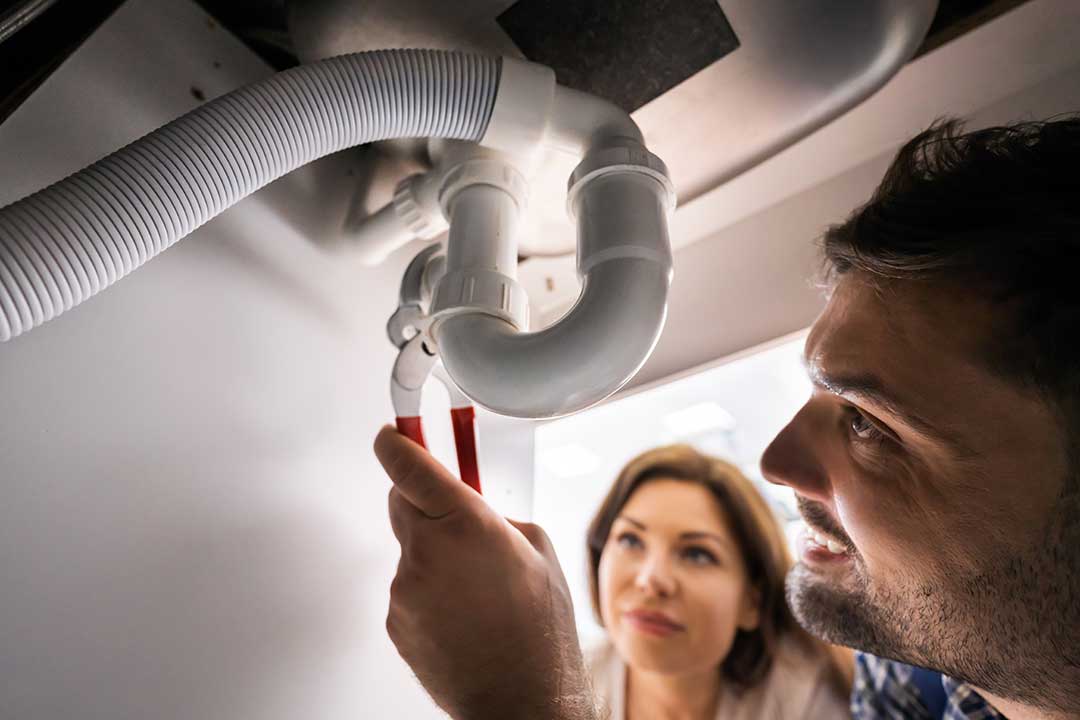
- Empty and clean traps under sinks and check for clogs—drains flow best when not partially blocked.
- Remove perishables from refrigerator and check ice maker lines to prevent mildew or leaks.
If a minor drip or leak is found, address it immediately. Small issues escalate quickly when a home sits empty.
Should I Alert Anyone About My Plans?
Letting a trusted neighbor or family member know you’ll be away adds peace of mind. If possible, have someone check inside periodically, especially if you’ll be gone longer than a week. Provide them access to the home’s shutoff valve location and contact numbers in case of emergency.
This step isn’t just about plumbing—unexpected weather or power outages can impact your home’s systems, and local support ensures faster responses.