

 See My Latest Article on HelloNation
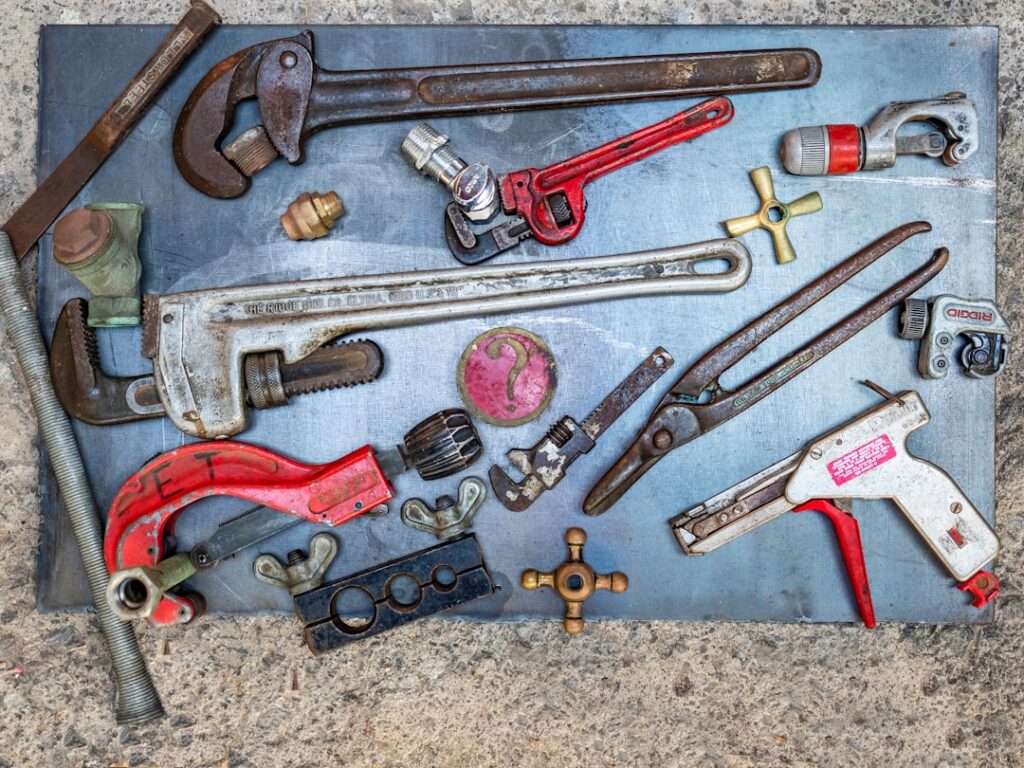
What Is a Plumbing Emergency Kit and Why Should Shelbyville, KY Residents Prepare One?
A plumbing emergency kit is a collection of easily accessible items that can help residents respond quickly to leaks, bursts, clogged drains, or overflowing toilets before major damage occurs. In Shelbyville, seasonal weather and a variety of home ages mean unexpected plumbing issues are a realistic scenario for many households.
Having the right tools and supplies ready can prevent minor problems from escalating and protect property until a repair can be safely made or further help is available. This preparation is just as important for those living in older homes as it is for newer construction.
What Basic Tools Should Be in Every Plumbing Emergency Kit?
Every kit needs practical, reliable tools suitable for common home plumbing tasks. Tools should be easy to use by most adults, and stored together in a dry, accessible place.
Recommended basics include:
- A heavy-duty plunger for toilets or drains
- An adjustable wrench for tightening or loosening fittings and valves
- Channel lock pliers for gripping and turning pipes or fasteners
- A small pipe wrench for larger fittings or frozen pipes
- A multi-bit screwdriver to access covers or tighten clamps
- A utility knife for cutting tape, hoses, or packaging
Many people overlook proper gloves—puncture-resistant, water-resistant gloves are useful for protecting hands during messy jobs. A durable flashlight (preferably battery or crank-powered) can be essential during power outages or for working in dark spaces like crawlspaces.
Should the Kit Include Supplies for Temporary Leak Control?
Yes, basic temporary repair materials are particularly valuable. In Shelbyville, where freezing pipes are a risk in winter, leak control items can mean the difference between a quick fix and significant water damage.
Consider including:
- Plumber’s tape (Teflon tape) for sealing small leaks on pipe threads
- Pipe sealing compound for minor joins or drips
- Self-fusing silicone repair tape to temporarily wrap and seal active leaks
- A handful of rubber patches or pieces cut from an inner tube to press against a crack, secured with hose clamps
- Adjustable hose clamps to hold a patch in place under pressure
Some residents keep a small bucket—or even an old kitchen bowl—alongside their kit to catch water under a leak while assessing the issue.
What Should Be Ready for Drain or Toilet Issues?
Blocked drains and toilets are among the most common emergencies. Quickly addressing a clog may prevent costly overflows or water damage.
Include:
- A flange or bell-style plunger specific for toilets (wider and bell-shaped for better seal)
- A cup plunger for sinks and flat surfaces
- A basic hand-crank drain auger (sometimes called a “drain snake”) to break up tough clogs in sinks, tubs, or showers
- Old towels or heavy-duty rags to contain spills
Never use chemical drain cleaners in emergencies involving a complete clog or standing water—these can create hazardous splashes or reactions. Instead, mechanical tools like snakes and plungers provide safer, immediate relief.
Are Shutoff Tools or Tags Recommended?
Knowing how to find and use a home’s main water shutoff is crucial, especially during pipe bursts. Area households may have different valve types depending on the age of the construction.

Add:
- A shutoff key if the main valve requires one (older homes may need a curb key)
- A tag or label for the main water shutoff and any local fixture shutoffs (under sinks, behind toilets)
- Instructions or a quick map showing the shutoff location, as not everyone in the household may know this
Local residents sometimes keep a printed list of emergency instructions with the kit, since quick action is easier under pressure when steps are clearly outlined.
Are There Items Often Overlooked by Residents?
There are several simple items residents might not think to include, but can be a relief during stressful situations especially in the unpredictable Shelbyville weather:
- Zip ties or twist ties for temporarily securing hoses or pipes
- Waterproof duct tape for quick wraps (not a permanent solution, but useful in a pinch)
- Small towels or a mop head for immediate cleanup
- A disposable camera or old phone with a camera, dedicated to quickly documenting damage for insurance or reference before repairs are made
Some people also include a basic first-aid kit, as plumbing tools and leaking fixtures occasionally create minor scrapes or bumps.
How Often Should a Plumbing Emergency Kit Be Checked or Updated?
It’s a good habit for local residents to check their kits at least twice a year, ideally before Shelbyville’s coldest months and again before spring storm season.
Updates should include:
- Testing or replacing batteries in any flashlights
- Checking that all moving tools (wrenches, pliers) remain rust-free and functional
- Replenishing disposable items such as gloves, towels, or leak repair tape
- Reviewing that emergency instructions and shutoff guides are still accurate
This upkeep ensures that supplies will be ready and reliable whenever they’re needed.