

 See My Latest Article on HelloNation
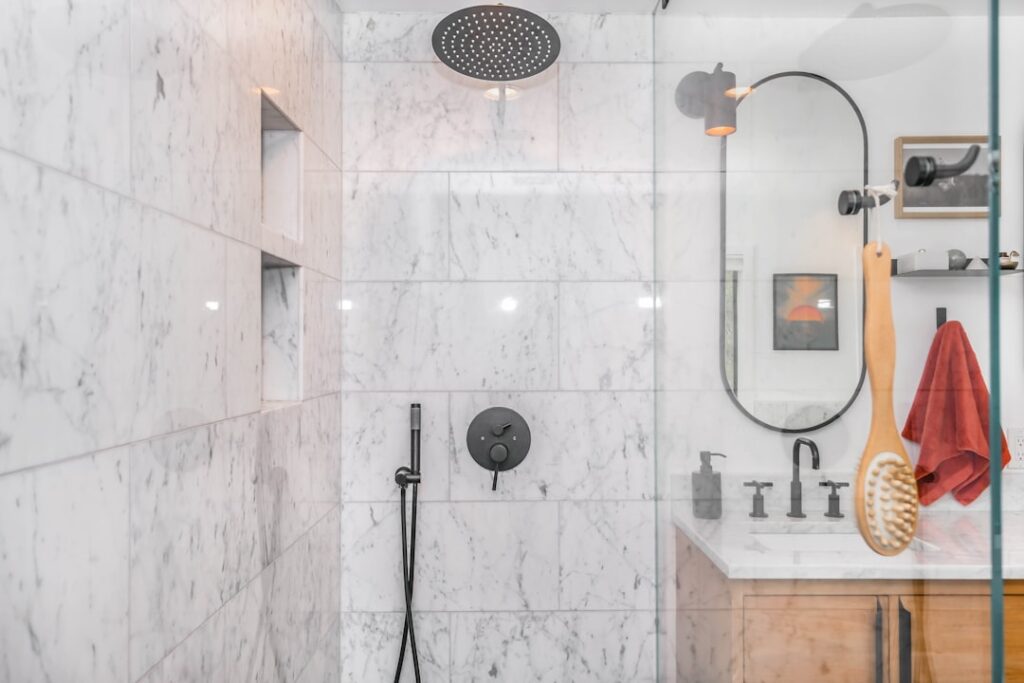
Why Does the Shower Suddenly Turn Cold?
A shower going cold faster than expected is a common frustration for many households in Shelbyville, KY. This typically signals an issue with your home’s hot water supply, which can stem from a variety of plumbing, appliance, or usage factors specific to the area’s housing stock, climate, and water systems.
Is the Water Heater Sized For Your Needs?
If your daily routine includes back-to-back showers, laundry, or dishwasher loads, an undersized water heater may simply be running out of hot water. Many older homes in Shelbyville use water heaters that were installed to match the needs of smaller households or outdated standards.
- Tank-type heaters have a fixed capacity (often 30-50 gallons). When emptied, it takes time to reheat the next batch.
- Households with new additions, more residents, or updated plumbing fixtures may easily exceed their tank’s original limits.
A mismatched heater won't keep up with increased demand, especially during colder months when incoming water is much colder and reheating takes longer.
Could Sediment Be Affecting Performance?
Shelbyville’s hard water can lead to mineral buildup in water heater tanks. Over months or years, sediments settle at the bottom, creating a barrier between the burner or heating element and the water.
- Sediment insulation effect: The heater works harder, taking longer to heat less water.
- Less usable hot water: Available hot water volume drops as sediment builds.
Routine flushing of the tank is usually recommended but often overlooked, especially in homes that haven't had plumbing maintenance for a while.
Are Mixing Valves or Temperature Settings a Factor?
Temperature settings on the water heater or individual shower mixing valves can also affect the duration of hot showers.
- Lower temperature settings extend safety but reduce each shower's length.
- If mixing valves are faulty or not working correctly, they might admit too much cold water into the mix, cooling the stream unexpectedly.
Thermostatic mixing valves are less common in older homes but can be found in newer builds or recent remodels.
Do Other Household Activities Compete for Hot Water?
Running multiple hot water appliances at once is one of the most frequently overlooked reasons for quick temperature drops. In Shelbyville, where many homes have traditional tank heaters, simultaneous use (laundry, back-to-back showers, dishwashing) can drain hot water fast.
Common overlap situations include:
- Showers shortly after or during laundry loads
- Dishwasher running during morning routines
- Evening bath and shower overlap
Staggering usage times can help stretch hot water supply without changes to plumbing or appliances.
Are There Issues With the Water Heater Location or Insulation?
Placement and insulation of water heaters make a noticeable difference in hot water performance, especially during colder Kentucky winters.
- Water heaters in unheated basements, garages, or crawl spaces lose heat more rapidly.
- Poorly insulated pipes between the heater and bathroom can cool water significantly before it arrives at the tap.
Insulating the first few feet of hot water pipes and the heater itself (if permitted) can reduce heat loss and help showers stay warm longer.
Could an Aging Water Heater Be to Blame?

As water heaters age—usually past 8 to 12 years—they become less efficient even if they’re still producing hot water. Shelbyville’s fluctuating temperatures and varying water quality can accelerate this decline.
Signs include:
- Faster-than-usual depletion of hot water
- Noisy operation or knocking sounds from sediment
- Rust-colored water or visible tank corrosion
Older tanks may need more frequent flushing or eventual replacement to meet a modern family’s hot water needs.
Are There Plumbing Leaks or Cross-Connections?
Hidden plumbing issues can rob a shower of hot water as well. Small, unnoticed hot water leaks—whether under floors, behind walls, or at connections—waste heated water before it reaches the bathroom.
Cross-connections, where cold and hot water lines inadvertently mix due to faulty plumbing, can also cause quick chill-downs in the shower. These problems often reveal themselves as inconsistent temperatures or never-quite-hot showers.
Visible leaks, moisture damage, or unexplained spikes in utility bills can point toward these issues and merit closer attention for safety reasons.
What About Local Water Pressure or Supply Fluctuations?
Shelbyville experiences seasonal fluctuations in municipal water temperature and pressure, especially in homes at the end of supply lines or older neighborhoods with legacy infrastructure.
Colder incoming water during late fall and winter requires more heating. Additionally, pressure drops or spikes can alter flow through mixing valves, sometimes causing temperature swings in the shower. Monitoring how your shower performs during different seasons may reveal patterns tied to outdoor temperatures or heavy municipal water usage times.
Can Quick DIY Steps Help Extend Your Hot Showers?
Some practical tips for local residents to try before assuming a major repair or replacement is needed:
- Turn up the water heater temperature (never above 120°F for safety, but check if it's currently set below this).
- Stagger hot water usage when possible.
- Insulate exposed hot water pipes, especially in basements or crawl spaces.
- Flush the water heater annually to reduce sediment buildup.
- Test mixing valves and shower heads for smooth operation and adjust if necessary.
Simple habits and minor maintenance go a long way to improving hot water reliability in area homes, especially older or larger houses where original systems may be under greater strain.