

 See My Latest Article on HelloNation
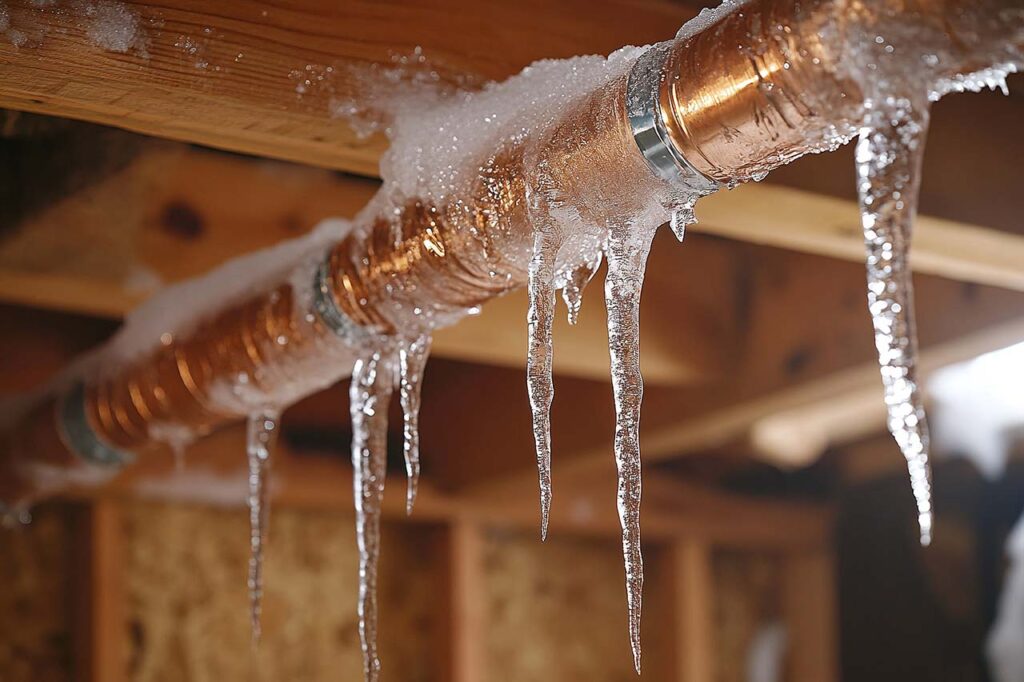
How Can You Tell If Your Pipes Are Frozen?
Frozen pipes in Shelbyville, KY, usually happen during extended periods of below-freezing temperatures, particularly after cold snaps common between December and February. Signs include:
- No water or only a trickle from faucets
- Unusual noises (like clanking) when taps are opened
- Frost visible on exposed pipes
- Odd smells from drains or faucets, caused by blocked or cracked pipes
If these symptoms appear during cold weather, it's reasonable to suspect freezing somewhere along your plumbing route—especially in basements, crawl spaces, garages, or exterior walls that aren’t well insulated.
What Should You Do Immediately If Pipes Freeze?
First, if you suspect a pipe has frozen, turn off the water supply at the main shut-off valve to minimize the chance of flooding if the pipe bursts. Don’t try to force water out or use appliances connected to that pipe.
It’s safest to:
- Keep the affected faucet open. As the pipe begins to thaw, running water will help melt the ice within.
- Gently warm the area around the suspected frozen section. Use a hair dryer, space heater, or warm towels if the section is accessible and not near flammable materials. Never use a blow torch, kerosene heater, or open flame; these methods are dangerous and could damage pipes or cause a fire.
- Gradually warm the area surrounding pipes—not just the pipe itself—to reduce pressure from rapid expansion.
In many homes in the community, pipe runs along drafty exterior walls or pass through unheated garages and crawl spaces. Thawing these areas slowly is important for safety and to reduce the likelihood of a cracked or split pipe.
Is It Safe to Thaw Pipes Yourself?
You can often thaw frozen pipes yourself if you’re able to access the affected area and confirm there’s no visible bulging or cracking, which would suggest the pipe has already split. Only thaw pipes made of copper, PEX, or CPVC if you’re sure the pipe is intact.
If the frozen pipe is inside a wall, under the floor, or in a ceiling, try increasing the overall temperature in that part of the home. Open cabinet doors to let warmth reach the plumbing beneath sinks, especially against exterior walls. Using heated blankets, towels soaked in hot water, or a portable heater—directed at the general area—can also help. Avoid using boiling water or anything that could cause thermal shock to the pipe material.
What Should You Avoid When Pipes Are Frozen?
Not all DIY solutions are safe or effective. Avoid these common mistakes:
- Never use open flames. This is a common cause of accidental fires.
- Don’t leave heating devices unattended. Space heaters and hair dryers should never run unsupervised.
- Don’t use electrical devices in standing water. If there’s pooled water, it’s unsafe to use powered equipment.
- Don’t ignore cracked or leaking pipes. Thawing a damaged pipe can lead to flooding once the ice melts.
If you notice leaks or a strong smell of sewage, stop and reassess the situation.
What If a Pipe Bursts After Thawing?
A burst pipe requires immediate action to limit property damage:
- Keep the water supply shut off.
- Open nearby faucets to drain the remaining water and reduce pressure.
- Mop up standing water as quickly as possible to prevent mold and further structural issues.
- If the burst pipe involves your water heater or boiler, switch off the appliance to avoid further complications.
In older homes throughout Shelbyville, hidden leaks can quickly escalate, especially if they occur in finished basements or behind walls. Water from a burst pipe in these areas may not be immediately visible, but it can damage floors, insulation, and belongings. Once flooding is under control, ventilate the area to speed drying.
Why Are Pipes Prone to Freezing Here?

Shelbyville sees a mix of older homes with less insulation and newer builds that may still have exposed outdoor plumbing. Freeze risk is greatest in:
- Unheated basements, crawl spaces, and garages
- Areas where wind can enter, like foundation gaps or attic vents
- Pipes in cabinets along exterior walls
Local winters can include multiple days of nighttime lows dipping well below freezing. Even brief temperature drops can freeze pipes—especially those not frequently used.
Typical plumbing in the region might not be insulated to meet the demands of recent climate swings, so long-term prevention often focuses on better insulation, sealing drafts, and keeping interior temperatures steady.
What Can You Do To Prevent Frozen Pipes?
To help prevent a repeat issue, consider these practical steps:
- Insulate exposed or vulnerable pipes with foam sleeves or pipe wrap
- Seal air leaks near where pipes enter the home’s foundation or walls
- Allow a trickle of water to run from faucets on coldest nights to keep water moving
- Keep interior temperatures above 55°F, even during winter vacations
- Open closet or cabinet doors along exterior walls to let warm air circulate, especially during deep freezes
Maintaining constant heat—even in garages or storage areas—goes a long way in older neighborhoods where poorly heated spaces are common.
When Should Safety Be a Concern?
If you encounter any of the following, take immediate precautions:
- Water is pooling near electrical wiring or outlets
- You hear hissing, gurgling, or persistent dripping behind walls or in ceilings
- The local water supply appears discolored or contaminated after a freeze
These are signals that the situation has moved beyond a typical home fix. Shutting off the main water and electricity in the affected section—until it can be safely assessed—is a protective measure.