
 See My Latest Article on HelloNation
Why Do Home Plumbing Inspections Matter in Shelbyville, KY?
Regular home plumbing inspections help identify and resolve small issues before they turn into costly, disruptive problems. For residents of Shelbyville, KY, routine checks are especially valuable because local homes vary widely in age, construction, and plumbing materials. This mix means unexpected leaks, pipe deterioration, and other hidden issues are common, especially in older neighborhoods where outdated systems might still be in use.
Temperatures in the region can also fluctuate throughout the year, putting additional stress on pipes—particularly during freeze-thaw cycles in winter and wet seasons in spring. Inspections detect weak spots early, helping avoid emergency repairs that may be more likely during these times.
What Do Inspectors Look For During a Plumbing Inspection?
A standard inspection covers all visible water supply lines, drainpipes, fixtures, and critical components. Inspectors usually check for:
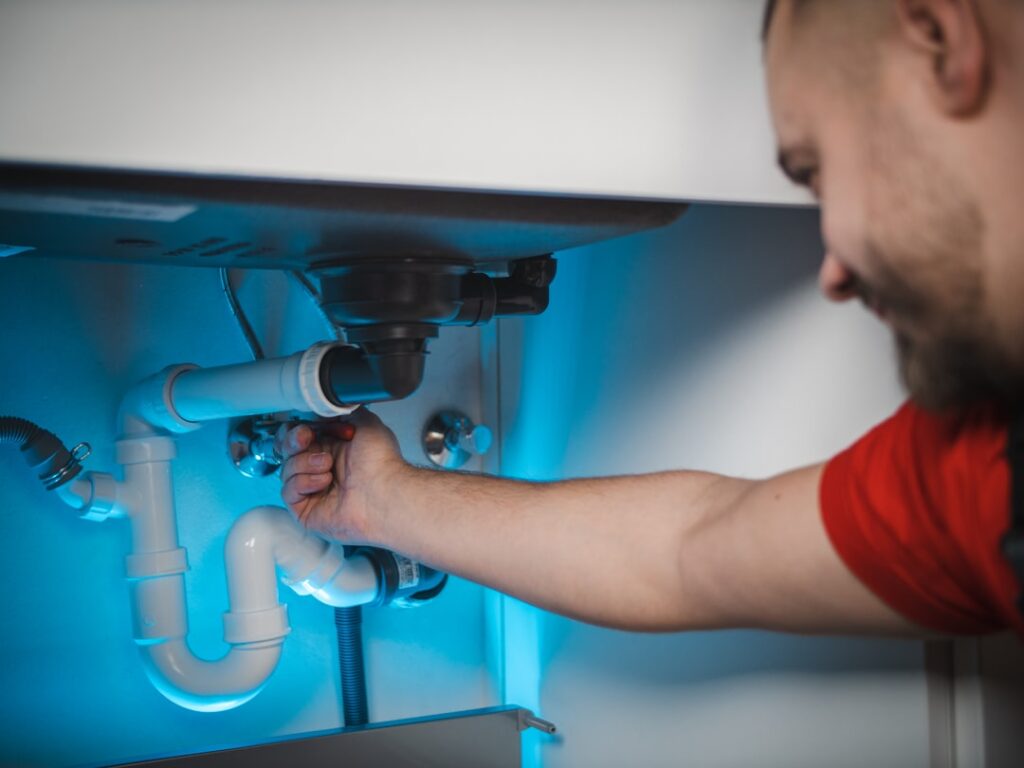
- Signs of leaks under sinks, behind appliances, or inside basements and crawl spaces
- Corrosion and mineral buildup, which is common in areas with hard water
- Proper water pressure at faucets and showers
- Operation of shut-off valves and sump pumps
- Function and integrity of water heaters
- Early root intrusion or blockages in sewer lines, detected via specialized cameras in some cases
More comprehensive inspections may also check for code compliance, which is relevant in Shelbyville if modifications were made without permits.
Can Inspections Prevent Major Water Damage?
Yes—regular inspections are the most reliable way to spot hidden water damage risks early. Dripping pipes behind walls, undetected appliance leaks, or slow drain clogs can all escalate dramatically if left unchecked. In Shelbyville’s humid climate, even a small, hidden leak can lead to mold growth or rot, especially in basements and crawl spaces common in the area.
An inspection might reveal:
- Discolored or damp spots on walls or ceilings
- Soft flooring near bathrooms or kitchens
- Musty odors around plumbing access points
These clues allow homeowners to take corrective action before water causes structural damage or major repairs.
How Do Inspections Help with Water Quality and Efficiency?
A plumbing check often uncovers issues that directly affect water quality and conservation. For example:
- Aging or corroded pipes can leach minerals or rust, affecting drinking water
- Running toilets and dripping faucets waste significant amounts of water over time
- Malfunctioning pressure regulators can harm both plumbing fixtures and water bills
Shelbyville residents on private wells may also benefit from checks for filter and softener function, as local groundwater hardness can impact appliances. Over time, even minor inefficiencies discovered during an inspection add up, increasing utility costs and environmental impact.
Are Certain Homes or Situations at Higher Risk?
Homes built before modern plumbing standards—and those with a history of renovations—often benefit most from regular inspections. In Shelbyville, many houses built mid-20th century or earlier may contain galvanized steel or cast iron pipes that corrode internally. Visible pipes in unfinished basements, garages, or utility rooms are easy to inspect, but hidden runs behind walls and finished basements require a more thorough approach.
Other situations that warrant extra attention include:

- Properties with large trees near sewer lines (risk of root intrusion)
- Homes with basement sump pumps, especially during rainy periods
- Seasonal or rental properties left unoccupied part of the year
What Common Misconceptions Do Residents Have About Plumbing Inspections?
Some people assume plumbing problems are obvious or always dramatic—like a burst pipe or flooded bathroom. In reality, most issues start small. A pinhole leak can drip for months before showing visible damage, causing mold or foundation issues unnoticed.
Another misconception: home insurance always covers water damage. Often, policies exclude slow leaks or damage from neglected maintenance, making regular inspections a proactive way to avoid costly uncovered repairs.
Local residents may also underestimate how quickly minor clogs, loose connections, or deteriorating hoses can escalate if left unaddressed in high-use areas like kitchens and laundry rooms.
How Often Should Local Households Get Plumbing Inspections?
In general, annual inspections are sufficient for most area households, especially for homes over 20 years old or with remodeled plumbing. However, inspections after major weather events—such as deep freezes or flooding—can also catch damage specific to regional conditions.
Newer homes or apartments may need less frequent checks, but even these benefit from a baseline inspection shortly after moving in to document existing conditions and spot builder oversights.
What Are Realistic, Practical Steps for Homeowners Between Inspections?
Regular resident awareness is just as important as professional inspections. Shelbyville homeowners can reduce risk by:
- Checking under sinks and behind toilets for unexpected moisture at least every few months
- Listening for unusual sounds in pipes or signs of running water when all fixtures are off
- Inspecting exposed pipes for corrosion, cracks, or bulging
- Knowing how to quickly locate and shut off the main water valve in an emergency
Simple habits like watching for slow drains, gurgling toilets, or repeating low pressure can help catch changes early enough to address before bigger problems arise.