

 See My Latest Article on HelloNation
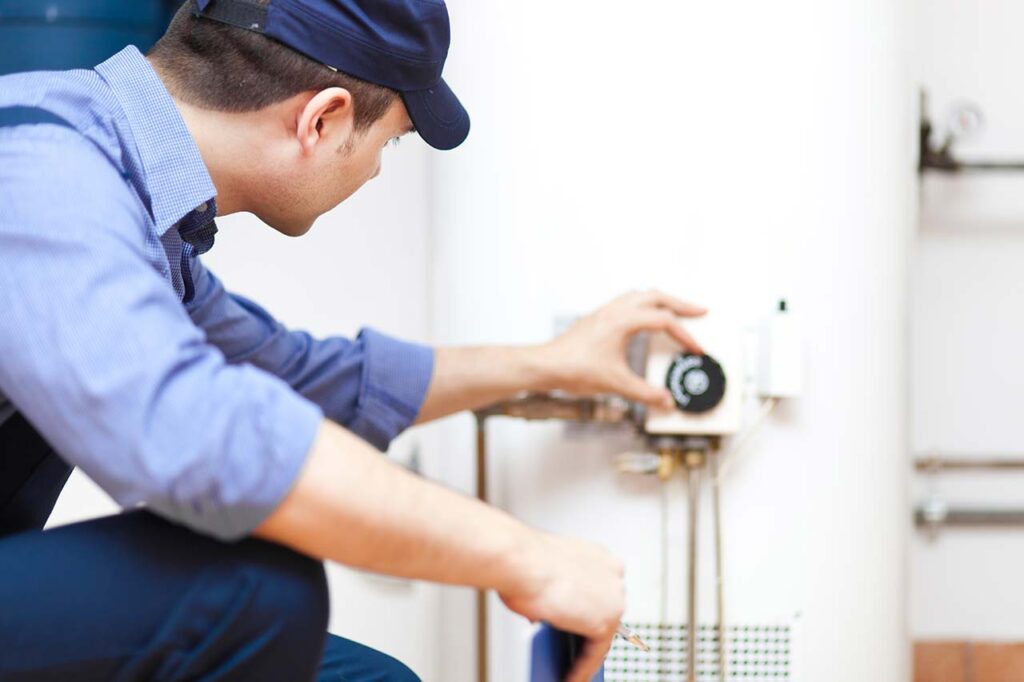
How Can You Tell if a Water Heater is Nearing the End of Its Life?
Many homeowners in Shelbyville, KY rely on traditional tank-style water heaters tucked away in basements, laundry rooms, or utility spaces. Most water heaters don’t stop suddenly—they show warning signs before failing completely. Recognizing these signals early helps area households avoid unexpected cold showers, water damage, or energy waste.
On average, residential water heaters last 8-12 years. Differences in water quality, local usage habits, maintenance, and unit design can all impact this timeframe. Water with higher mineral content, common in some parts of the region, may shorten a heater’s life due to scale buildup.
What Are the Most Common Signs a Water Heater Needs Replacing?
The quickest answers: unusual noises, rusty or discolored water, leaks around the base, and inconsistent hot water often point to a system nearing failure.
Unusual Rumbling or Banging
A water heater that starts making new, persistent popping or rumbling sounds is often working harder than before. Local water in the area frequently contains minerals like calcium, which can settle and harden at the bottom of the tank. This sediment layer causes the unit to overheat, which not only creates noise but also increases stress and the risk of cracks or leaks.
Rusty or Cloudy Hot Water
If only your hot water looks rusty or cloudy—especially after running the tap for a few seconds—the tank may be corroding from the inside. This can happen as the sacrificial anode rod (designed to attract corrosion) wears out over the years. In Shelbyville homes with older pipes, confirm if both hot and cold taps appear rusty; if it’s only the hot tap, the water heater is the likely source.
Leaks Around the Base
Even a small puddle near the base of the water heater is a sign of trouble. While dampness could be caused by condensation or loose connections, repeated leaks or water collecting underneath the tank usually indicate the inner tank has failed. On basement floors or in closets, small leaks can go unnoticed until they cause bigger structural or mold issues.
Water Temperature Fluctuates or Doesn’t Get Hot
If the water no longer heats up reliably, or the temperature frequently swings from hot to lukewarm, it’s likely the unit’s heating elements, thermostat, or tank insulation have degraded. In some cases, sediment buildup can also reduce the heater’s effectiveness and efficiency, which becomes noticeable during winter months when area households use more hot water for bathing and laundry.
How Old Is Too Old for a Water Heater in the City?
The age of the water heater is a straightforward way to assess replacement needs. Most manufacturer information stickers (usually near the top of the tank) display a serial number that can be decoded to reveal the manufacturing date.
After about 10-12 years, failures become more common—especially for units in unconditioned spaces, like garages or crawlspaces, where temperature swings are more extreme. If a water heater is over a decade old and repairs are becoming frequent or costly, replacement is usually more practical and cost-effective for area residents.
Are Repairs Worthwhile, or Is Replacement Safer?
Repairs like fixing a thermostat, replacing a valve, or flushing sediment can solve specific problems on units less than a decade old. However, several issues—like tank corrosion, repeated leaks, or loss of heating power—generally suggest the water heater is at the end of its safe lifespan.
Cost is another factor. If a repair approaches half the price of a new unit, replacement is generally the safer investment. In neighborhoods with older homes or original plumbing infrastructure, replacing the water heater can also prevent unexpected damage to finished spaces.
Are There Hidden Risks in Waiting Too Long?
Delaying replacement when a water heater is showing its age can lead to bigger problems. A tank rupture can release dozens of gallons of water quickly, damaging floors, walls, and belongings—especially important to consider during spring storms when local basements are already at risk for excess moisture.
In rare cases, failing heaters may also cause increased energy bills, risk of scalding, or the release of harmful bacteria if the water temperature falls below safe levels.

What Maintenance Habits Can Help Extend the Life of a Water Heater?
Regular care helps a water heater last longer. Area residents can:
- Flush a few gallons from the tank annually to remove sediment (especially in homes with visible hard water scale).
- Test the temperature-pressure relief valve once a year.
- Check for visible rust, puddles, or drips around fittings, valves, or the base.
- Set the thermostat to 120°F—a safe temperature for both efficiency and comfort.
If unsure about any step, the safest route is to consult the heater manufacturer’s instructions or seek guidance from a trusted source—never attempt electrical or gas work without proper knowledge.
What Are Common Misconceptions About Water Heater Replacement?
Some local homeowners assume a tank must be fully broken or producing only cold water before replacement is necessary. In reality, most units provide months of warning signs before complete failure.
Another misconception: water quality problems are always due to city supply. In fact, many discoloration or odor issues stem from the aging heater itself, not the municipal water lines.
Do Local Factors in Shelbyville Affect Water Heater Longevity?
The city’s seasonal temperature swings—cold winters and humid summers—affect water heater durability, particularly in unheated areas or crawlspaces. High summertime humidity can cause additional exterior rust on the tank, while winter chills may strain older units to keep up with daily hot water demands.
Homes that use well water in outlying parts of the community may experience higher levels of minerals, speeding up sediment buildup. For these households, checking and flushing the water heater more often can be especially worthwhile.