
 See My Latest Article on HelloNation
What Toilet Problems Can Most Homeowners Fix Themselves?
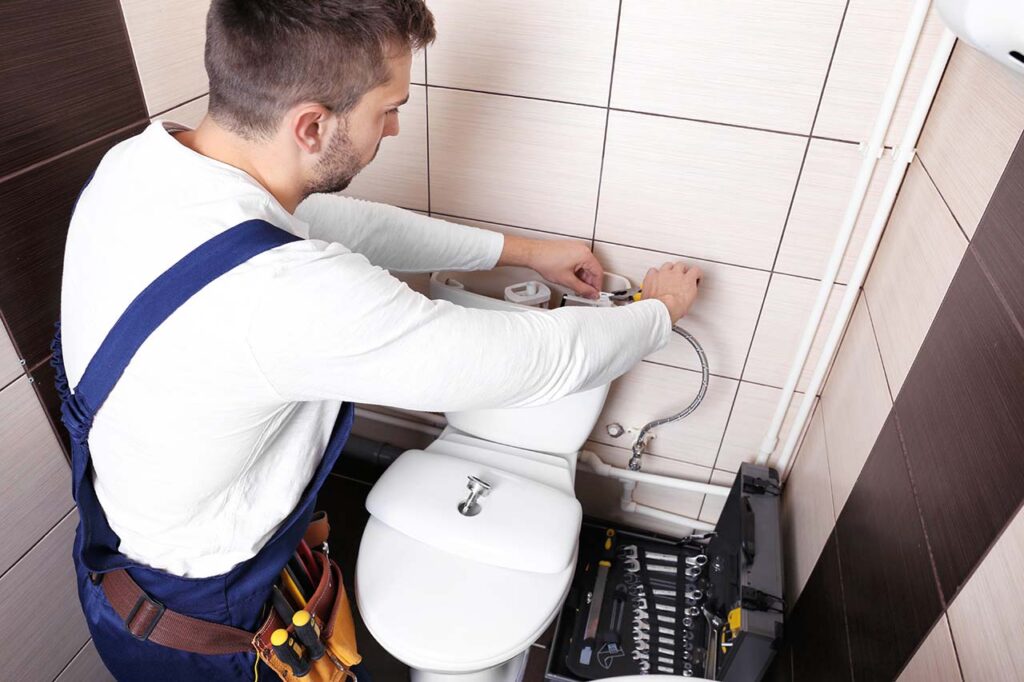
Most minor toilet issues can be handled without professional training. A running toilet, a simple clog, or a loose handle are examples of repairs many Shelbyville residents tackle with basic tools and a little patience.
Simple fixes include:
- Using a plunger or toilet auger for light clogs
- Adjusting the chain, float, or flapper in the tank to stop continuous running
- Tightening a loose seat with a screwdriver
- Applying plumber’s putty to stop minor leaks at the base if you’re comfortable
For these routine problems, area hardware stores offer the needed tools and parts. Always shut off the water supply valve and avoid aggressive force, which can damage pipes or porcelain. If you’re uncertain, it’s better to err on the side of caution.
When Does a Toilet Clog Warrant Expert Attention?
If standard plunging doesn’t clear a clog—especially after two or three honest tries—further attempts may cause water to overflow or push the blockage deeper. This is often the case if:
- The toilet fills to the rim or backs up into the bathtub or shower
- Several drains in the house slow down at once
- There are unfamiliar gurgling sounds coming from other fixtures
These symptoms suggest a tougher clog in your main sewer line, which can’t be resolved with DIY tools. In older neighborhoods of Shelbyville, tree roots and aging pipes are common causes. Sewer blockages carry risk of wastewater backup—never safe to address without proper equipment and safety gear.
Are Persistent Leaks a DIY or Professional Issue?
A small drip from the tank or base may be handled by replacing worn washers, supply hoses, or the wax ring if you have plumbing experience. However:
- Continuous water collecting around the toilet base
- Leaks that return after you’ve tried replacing seals or bolts
- Water damage visible on nearby flooring or subfloor
All signal a deeper problem. Leaks that persist or that seem to get worse can quickly lead to costly structural repairs, especially in homes with wood subfloors common throughout much of the community. For these, underlying problems like cracked porcelain, faulty installation, or problems inside the wall are best checked by a qualified pipefitter or plumber.
Is It Safe to Address Weak Flushing or Overflow on Your Own?
A weak flush could mean a minor adjustment is needed, such as clearing buildup from the holes under the rim or checking the tank water level. However, recurring overflows or a toilet that frequently bubbles, gurgles, or fails to empty could indicate a blockage beyond reach, vent pipe obstructions, or sewer gas issues.
Pipes in this region occasionally get blocked by debris or even seasonal wildlife that enter vent stacks. If repeated plunging does nothing and you notice other weird plumbing symptoms, it’s likely the issue is in the stack or main drain. These are not safe or practical for most homeowners to tackle without specialized tools and safety controls.
What if Your Toilet Won’t Stop Running?
A toilet that runs non-stop often just needs a new flapper or float adjustment. However, if shutting off the water at the valve doesn’t make the tank stop filling—or if you spot continuous leaking from the tank to the bowl—hidden cracks or damaged float assemblies could be involved.
In some older Shelbyville homes, persistent running points to corrosion in inner tank parts, worn supply valves, or a poorly seated flush valve. These repairs can involve turning off water to the whole home and require careful attention to avoid water damage.

Does Unpleasant Odor or Sewage Smell Require Immediate Help?
Persistent sewage odor in the bathroom, especially from the base of the toilet or floor drains, goes beyond minor inconvenience. It can signal:
- A dislodged or deteriorated wax ring
- Broken or shifted drain pipes under the floor
- Sewer line issues allowing gas to seep into living spaces
Because sewer gases pose health and safety risks, this problem should not be ignored or masked with air fresheners. Immediate attention prevents further property damage and maintains healthy indoor air.
Are Strange Noises a Cause for Concern?
Occasional noise from pipes or tanks during refilling is normal. But these issues should be checked out if you hear:
- Loud banging or thudding when the toilet fills (“water hammer”)
- Prolonged hissing, bubbling, or gurgling from the bowl, tank, or nearby drains after flushing
Especially in older Shelbyville homes, sudden new sounds can indicate mineral buildup, pipe the shifting from freeze-thaw cycles, or partial sewer line obstruction.
What About Cracks in the Porcelain?
Small hairline cracks above the water line may seem harmless, but any growing crack or one that starts to leak is a warning sign. Water seeping into flooring or under tiles can quickly undermine structural integrity and promote mold growth.
Homeowners should avoid using toilets with visible cracks, as breakage under the weight of a person causes both injury and major flooding. If you spot a crack where water is escaping, immediately turn off the supply and avoid using that toilet until a replacement or repair can be made.
Are There Local Conditions That Affect Toilet Repairs?
Homes in Shelbyville, from newer developments to established historic streets, commonly encounter plumbing issues related to the area’s clay soil, freeze-thaw patterns, and municipal water quality. Unusual mineral buildup resulting from local hard water can accelerate wear on flappers, fill valves, and tank mechanisms, causing more frequent repairs than some national averages suggest.
Additionally, the range of housing stock in the city—everything from mid-century cottages to modern builds—means toilets and pipes may vary greatly in age and material. Homeowners who know the approximate age of their plumbing can use that information to help determine if ongoing issues are minor annoyances, or symptomatic of deeper infrastructural challenges worth investigating.