

 See My Latest Article on HelloNation
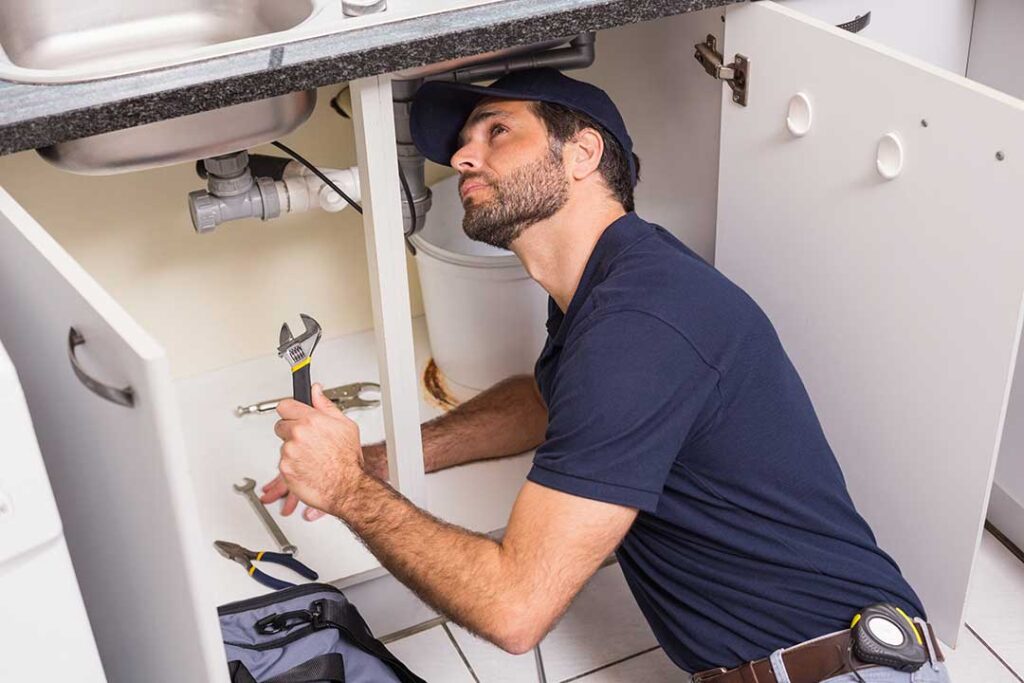
A sudden loss of hot water is usually caused by a small number of problems: a tripped electrical breaker, a failed heating component, an extinguished gas burner, a faulty control, or an empty tank after unusually heavy use. Before taking anything apart, check whether the problem affects one fixture or the entire home.
Is the problem limited to one faucet?
If only one sink, shower, or bathtub lacks hot water, the water heater may be working normally. The issue could be a clogged faucet aerator, a worn faucet cartridge, a malfunctioning shower valve, or a plumbing connection that is restricting hot-water flow.
Run hot water at another fixture. If hot water is available elsewhere, inspect the affected fixture for:
- A partially closed shutoff valve
- Reduced flow from a clogged aerator
- A shower mixing valve that is stuck or worn
- Cold water crossing into the hot-water line through a faulty valve
A single-fixture problem generally does not require resetting the water heater. Avoid removing a shower cartridge or faucet component unless the water supply can be shut off safely and replacement parts are readily available.
What should be checked first when the whole house loses hot water?
Start with simple observations. Check whether cold water pressure is normal, whether the water heater is making unusual sounds, and whether there is water around the tank or nearby piping.
For an electric water heater, look at the home’s electrical panel. A breaker may have tripped because of an electrical fault or a failing heating element. If the breaker is in the middle position, switch it fully off and then back on once. Do not repeatedly reset a breaker that trips again.
For a gas water heater, look at the area around the unit without removing covers. If the burner is not operating, the pilot may be out or the control system may have shut down. Follow only the lighting instructions printed on the appliance. If there is a gas odor, leave the area immediately and follow local emergency guidance rather than attempting to relight the heater.
A tankless unit may show an error code, have inadequate gas or electrical supply, or be affected by restricted water flow. Record the code before turning the unit off, since it may help identify the problem later.
How can an electric water heater be reset?
Some electric tank heaters have a high-temperature cutoff behind an access panel. Resetting it may restore operation if overheating caused the system to shut down, but access requires removing a cover and working near electrical connections.
Turn off the heater’s breaker before opening any panel. Do not touch wiring, thermostats, or terminals. If the reset does not restore hot water, or if the breaker trips again, leave the equipment de-energized. Repeated resets can mask an electrical problem and create a shock or fire risk.
A reset that works temporarily may still indicate a failed thermostat, heating element, loose connection, or sediment-related overheating. Hot water that returns briefly and then disappears is not necessarily a successful repair.
What should be done with a gas water heater?
Do not remove the burner cover or attempt repairs to the gas valve, thermocouple, venting, or combustion chamber. These parts affect both fire safety and carbon monoxide control.
If the pilot light is out, use the manufacturer’s printed procedure only if there is no gas smell, no visible damage, and the appliance is designed for user relighting. Keep the area clear of paper, cleaning products, and other combustible materials.
Stop immediately if:
- A gas odor is present
- The burner produces unusual flames or heavy soot
- The flue or vent appears disconnected
- The appliance is located in standing water
- Anyone experiences dizziness, headache, nausea, or unusual fatigue
Gas appliances need adequate air for combustion and a safe path for exhaust. In tightly closed homes during cold weather, blocked or altered venting can create serious hazards.
Could cold weather cause the loss of hot water?
Cold conditions can expose plumbing weaknesses, especially in older homes, crawl spaces, garages, additions, and exterior walls. A frozen supply line may reduce or stop water entering the heater, while a frozen hot-water line can prevent delivery to part of the home.
If water flow is weak during freezing weather, check exposed pipes for frost, bulging, or cracks. Open the affected faucet slightly and warm the area gradually with household air movement or a safe heat source. Never use an open flame, torch, grill, or fuel-burning heater to thaw plumbing.
If a pipe has already split, thawing may release a large amount of water. Know where the main water shutoff is located and close it if leaking begins. In the region’s winter conditions, insulating vulnerable pipes and keeping garage or crawl-space areas above freezing can help prevent recurrence.
Why might hot water run out faster than usual?
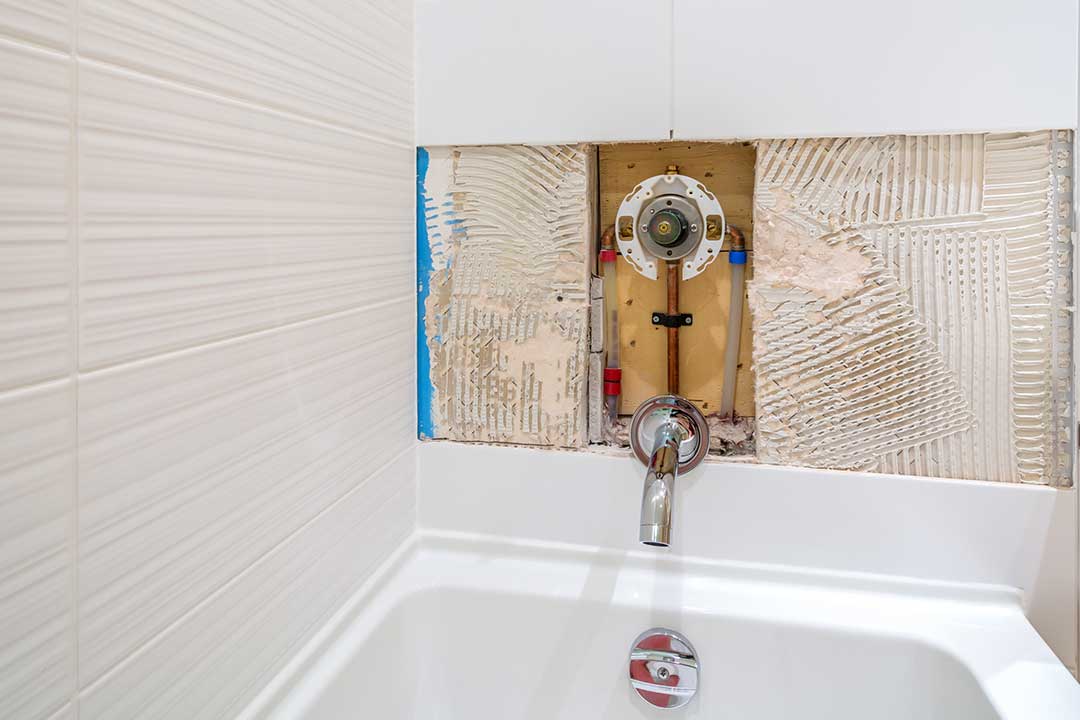
A tank may simply be recovering from unusually high demand. Several showers, laundry loads, dishwashing, or guests using water close together can exhaust the stored supply.
If the problem continues after normal use resumes, possible causes include:
- A failed upper or lower heating element
- A defective thermostat
- Sediment covering the bottom of the tank
- A dip tube that has broken or deteriorated
- A mixing valve supplying too much cold water
- A tank that is undersized for household demand
Sediment is a common concern in tank-style heaters. Minerals and debris can collect at the bottom, reducing usable capacity and causing popping, rumbling, or crackling sounds. Flushing a heater is not appropriate for every installation, especially if the tank is older, leaking, or unfamiliar. Opening the drain valve can create a leak that does not reseal.
What if the water is rusty, cloudy, or has an unusual odor?
Discolored hot water may come from corrosion inside the water heater, disturbed sediment, aging plumbing, or a failing sacrificial anode rod. If only hot water is discolored, the heater is more likely involved than the incoming water supply.
Cloudy water that clears after standing briefly may contain harmless air bubbles. A sulfur-like smell can indicate chemical reactions inside a tank, but it can also be associated with contamination or plumbing conditions that need evaluation.
Do not drink or cook with discolored or foul-smelling water until the cause is understood. If both hot and cold water are affected, check whether nearby households have the same issue and review any local water advisories before assuming the water heater is responsible.
When is the situation unsafe to troubleshoot?
Stop troubleshooting and shut off the appropriate utility when there is active leaking, a gas odor, smoke, burning insulation, exposed wiring, a damaged flue, or water near electrical equipment.
A leaking tank cannot be repaired by tightening random fittings. Water around the base may indicate a failed drain valve, relief valve, connection, or tank itself. The temperature-and-pressure relief valve should never be capped, plugged, or forced closed.
If the heater is in a basement, utility room, or enclosed area, protect nearby belongings from water damage while keeping clear of electrical components. A temporary shutoff is safer than continuing to operate visibly damaged equipment.
How can households reduce the chance of another outage?
Keep the water heater area accessible and avoid storing flammable materials nearby. Periodically check for moisture, corrosion, unusual noises, and changes in recovery time. Make sure everyone in the household knows the location of the main water shutoff and the electrical panel.
For gas equipment, keep vents and air openings unobstructed. For electric equipment, treat repeated breaker trips as a warning rather than a reset routine. In homes exposed to winter drafts, insulate accessible hot and cold pipes while following applicable safety requirements.
The fastest safe response is usually diagnosis, not disassembly: identify whether the outage is isolated or whole-house, check the correct utility controls, look for leaks or odors, and stop before opening electrical, gas, or pressurized components.