

 See My Latest Article on HelloNation
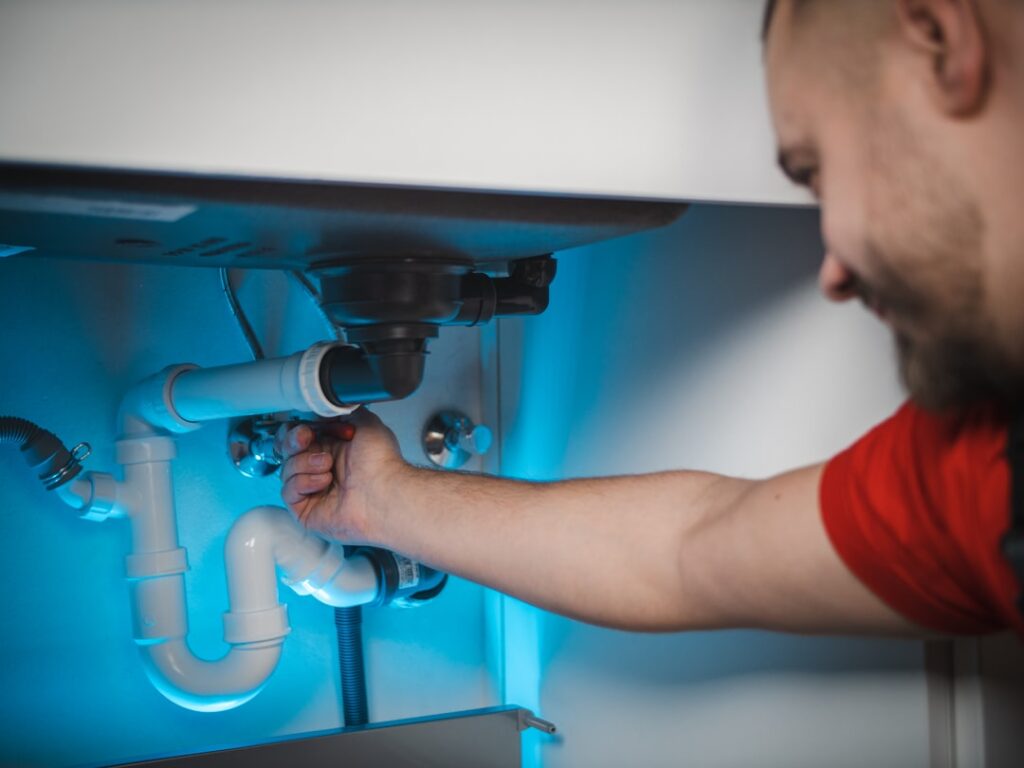
How Frequently Do Leaks Happen in Local Homes?
Most area homes should be checked for plumbing leaks at least once a year. In Shelbyville, KY, both older homes and newer construction can develop leaks due to seasonal weather shifts, aging pipes, water quality, and daily household demands. Annual checks help to catch small issues before they cause considerable damage. However, some situations—such as visible water stains or an unexpected spike in the water bill—require immediate attention regardless of the last inspection.
Local homes, especially those built several decades ago or those with mature landscaping, may have more potential points of failure in hidden supply lines or beneath crawl spaces. Residents in the community often notice leaks after heavy rainfall, rapid freeze-thaw cycles, or disruptions in water service.
What Are Practical Ways to Check for Plumbing Leaks?
Basic leak checks do not require special tools or plumbing expertise. Here are simple and effective steps homeowners in Shelbyville can use:
- Inspect areas around sinks, tubs, toilets, and water heaters for dampness, discoloration, or a musty odor.
- Listen for running water when fixtures are not in use.
- Monitor the water meter: turn off all indoor and outdoor taps, then check the meter. If it continues to change, a hidden leak is likely.
- Check under sinks and inside cabinets for any signs of water damage.
- During spring thaw or after severe cold snaps (which aren’t uncommon locally), check vulnerable pipes in unheated spaces or along exterior walls.
If the home has a basement or crawl space, look for puddles or signs of ground moisture. Leaks may surface there before appearing indoors.
Why Does Shelbyville’s Climate Matter for Leak Risks?
The region’s climate, with hot, humid summers and occasional freezing winters, puts unique stress on household plumbing. Pipes may expand and contract as temperatures swing, potentially loosening joints and fittings over time. As a result, area households might notice drips or wet spots during early spring or after the first freeze of the season.
For homes with sump pumps, leaking discharge lines or backup can also be an issue after steady rainfalls common to the region. Checking during seasonal changeovers—such as spring and fall—provides a practical schedule for staying ahead of weather-driven wear and tear.
Are Some Parts of the Home More Leak-Prone than Others?
Yes, certain spots see more frequent leaks due to daily use and exposure:
- Bathrooms and kitchens: Frequent plumbing use leads to worn seals and loose connections.
- Laundry rooms: Washing machine hoses can deteriorate or burst over time.
- Outdoor spigots and irrigation lines: These often freeze and crack without proper winterization.
- Basements: Condensation on cold-water pipes or old sump pump connections can result in unnoticed leaks.
In Shelbyville, homes with tree roots near underground supply lines may see occasional problems from root intrusion, especially after wet springs.
What Signs Might Residents Overlook?
Not all leaks are obvious. Subtle red flags include moldy odors, peeling wallpaper, unusually low water pressure, and unexplained damp spots along floors or walls. Some leaks develop behind walls or under floors and only become visible once significant damage has occurred.

Another detail sometimes missed in the city is outdoor irrigation system leaks. A patch of greener, faster-growing grass can indicate a slow underground leak in the warmer months.
How Can Water Quality and Local Infrastructure Impact Leaks?
Water in the area can vary in hardness and mineral content, which influences plumbing wear. Hard water, common in some neighborhoods, may deposit minerals inside pipes and fixtures, gradually causing corrosion or restricting water flow and increasing system pressure.
Additionally, older sections of Shelbyville may have aging municipal supply lines. Occasional water main repairs or pressure changes from city work can jar private plumbing, increasing the risk of leaks for some residents, particularly in older homes.
How Should Residents Adapt Leak Checks for Busy Lifestyles?
Scheduling routine leak checks is easier than it may seem. Many residents tie inspections to simple seasonal tasks—spring cleaning or preparing the home for winter. Setting a yearly reminder at tax or daylight savings time helps make the habit stick.
For rental properties or winterized summer homes, do a thorough walk-through before and after periods of extended vacancy. In the event of extreme weather, a quick inspection—especially around exposed pipes—can prevent unwelcome surprises.
What Situations Require Immediate Action?
While annual or seasonal checks work for most homes, act right away if:
- There is the sound of running water with no demand in the house.
- Damp, sagging ceilings or puddles are visible indoors.
- The water meter moves rapidly when fixtures are off.
- Water pressure drops suddenly and doesn’t recover.
- Known pipes are exposed after very cold weather.
If these occur, find and turn off the main water supply valve. Only attempt repairs if confident in local building codes and safety; health risks or extensive damage should be handled by certified professionals.