

 See My Latest Article on HelloNation
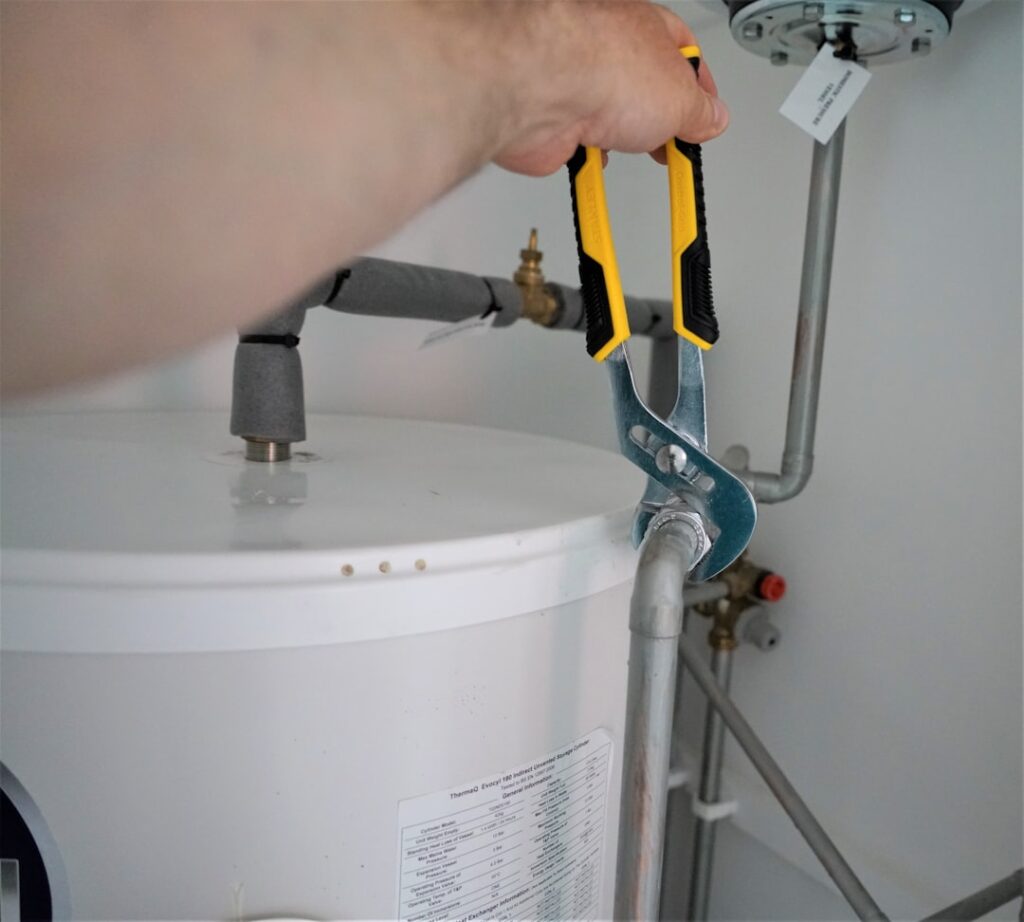
What Is Water Hammer and Why Does It Happen?
Water hammer is a distinct banging or thudding sound that can come from household plumbing when a valve or faucet abruptly shuts off. This noise is caused by a sudden change in water flow inside pipes, resulting in a pressure surge that rattles pipes and fittings. Residents of Shelbyville, KY often first notice water hammer when using washing machines, dishwashers, or turning off sinks quickly.
Water moving through plumbing is constantly under pressure. When that flow is stopped suddenly, such as when a fast-acting valve closes, the momentum has nowhere to go. The result is a shock wave that travels through the pipes, sometimes causing loud noises, vibration, and even long-term pipe damage.
What Causes Water Hammer in Area Homes?
The most common source of water hammer in local homes is the quick closing of valves—with washing machines being a frequent culprit due to their automatic shutoff cycles. Older homes in Shelbyville may be more prone due to aging plumbing systems, while newer homes can encounter it from high-pressure municipal water supplies.
Key causes include:
- High water pressure, often found in neighborhoods with recent infrastructure upgrades.
- Loose or inadequately secured pipes, a common issue in homes with accessible basements or crawl spaces.
- Lack of air chambers or water hammer arrestors, especially in plumbing that has been altered or updated over the years.
- Fast-acting automated valves in newer appliances.
Homes with copper pipes, which transmit sound more readily, tend to make water hammer noises louder than those with plastic (PEX) piping.
Is Water Hammer Dangerous or Just Annoying?
A brief explanation: While water hammer is often an annoyance, repeated pressure surges can cause leaks, joint damage, or loose fittings over time. In rare cases, the stress may worsen pipe connections, especially if pipes are already aging or corroded.
Besides the noise, water hammer can:
- Loosen mounting brackets, allowing pipes to bang against walls or ceilings.
- Accelerate wear and tear on appliances that use solenoid or quick-closing valves.
- Cause minor leaks that slowly develop behind walls or in basements, especially after years of recurring shocks.
While the noise alone may not signal immediate danger, it’s wise to address persistent water hammer to avoid unnecessary future repairs.
How Can Shelbyville Residents Diagnose Water Hammer?
To identify if your home is experiencing water hammer:
1. Listen for a banging or thudding noise that occurs right when a faucet or valve closes.
2. Note which appliances seem to set it off most frequently, such as washing machines, ice makers, or toilets.
3. Check for visible piping in basements or utility spaces for signs of movement or loose fasteners when the system is in use.
4. If accessible, feel exposed pipes for vibration after closing a fixture—movement may be a clear clue.
Conducting these observations during different times of day can help, as water usage fluctuates widely in the community.
What Are Simple Fixes Homeowners Can Try Themselves?
Simple steps can help most residents minimize or eliminate water hammer without complex tools.
*Lower Water Pressure:*
Many homes in the area are equipped with a pressure-reducing valve (PRV) near where the water line enters the house. Gently turning this valve to reduce pressure (to around 50-60 psi) can often resolve water hammer, especially if current pressure is high.
*Secure Loose Pipes:*
Gently securing accessible pipes with padded clamps or adding extra supports in basements and utility rooms helps prevent pipes from bouncing when valves close.
*Drain and Restore Air Chambers:*
Traditional air chambers—vertical pipes installed near fixtures—can become waterlogged over time. Draining the plumbing system allows air into these chambers:
1. Turn off the main water supply.
2. Open all faucets to drain the system.
3. Turn the supply back on gradually, allowing the air to be trapped and absorb shock.

*Install Water Hammer Arrestors:*
For persistent cases, installing a water hammer arrestor—a small device designed to absorb shock—can be effective. These are especially useful behind washing machines or dishwashers and can often be screwed onto existing supply lines without special skills.
While these measures solve most household cases, persistent or severe water hammer may need further inspection.
What If Water Hammer Persists After These Steps?
When the above steps don’t resolve the issue, deeper plumbing factors may be involved, such as hidden high-pressure spikes, aging pipe joints, or extensive long pipe runs. In older Shelbyville homes, corroded or outdated piping may contribute to recurring shocks.
Further investigation may involve:
- Checking for hidden pressure boosters or incorrectly sized piping.
- Inspecting for insufficient or missing air chambers in key locations.
- Verifying municipal supply pressure during peak and off-peak hours, especially in neighborhoods with noticeable fluctuations.
For persistent banging, pipe vibration behind finished walls, or leaks developing after a history of water hammer, consulting a licensed plumber is recommended for safety and property protection—especially if plumbing updates or repairs are needed to local code standards.
Can Water Hammer Be Prevented in New and Older Homes?
Most new plumbing installations in the city use water hammer arrestors or properly installed air chambers by default. For older homes, regular checkups of water pressure and pipe security are the best defense. Awareness of local soil conditions, freeze-thaw cycles, and basement humidity—which are all relevant in Shelbyville—can support proactive maintenance.
Simple habits can help:
- Avoid slamming faucets or valves shut.
- Watch for changes in household plumbing noises over time.
- Address rattling or vibrating pipes early, before small issues become big repairs.
By understanding what causes water hammer and responding quickly when the problem crops up, households throughout the area can protect their plumbing and enjoy quieter, longer-lasting systems.