

 See My Latest Article on HelloNation
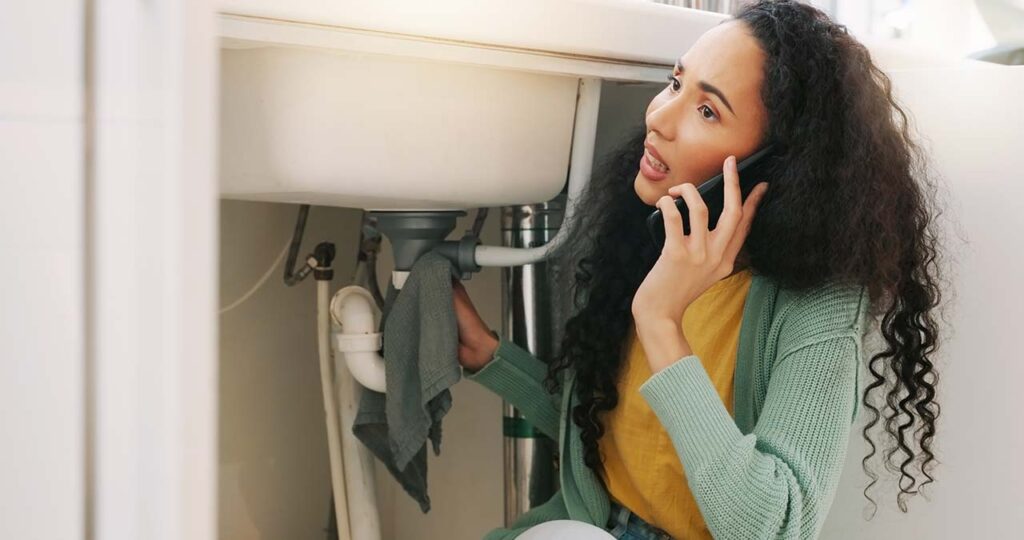
How Do Hidden Water Leaks Start and Why Are They a Problem?
Hidden plumbing leaks often develop out of sight, behind walls, under floors, or beneath yards. Even a small leak can cause damage over time, raising water bills, encouraging mold growth, and threatening structural materials in any home. In Shelbyville, KY, many houses feature crawl spaces or basements and seasonal shifts can cause older pipes to flex and eventually fail. Properties with high humidity, clay-based soils, or older copper and galvanized steel plumbing may be at greater risk for unnoticeable leaks.
What Signs Suggest There’s a Hidden Leak?
Residents often wonder if their water loss is just heavy use, evaporation, or if something is going wrong behind the scenes. Several indicators may point to a concealed leak:
- Unexplained increases in monthly water bills
- Damp, spongy, or warped areas on floors, walls, or ceilings
- The sound of trickling or running water when all fixtures are off
- Persistent musty or moldy odors
- Staining or bubbling of paint or wallpaper
- Low water pressure in part of the home
Shelbyville’s climate can make it tricky to tell whether crawl space dampness is humidity-related or a leak; indoor issues that persist through dry spells deserve extra attention.
How Can You Find the Source of a Suspicious Leak?
Begin with a methodical check, then narrow down possibilities:
- Turn off all faucets, fixtures, and appliances using water in the house.
- Observe the water meter (usually found near the street or property edge). Note the reading, avoid using water for 1-2 hours, then recheck. If the reading has changed, a leak exists somewhere on the property.
- Listen closely near walls, floors, or basement areas for sounds of water movement.
- Walk barefoot to feel for cold or wet spots on floors, especially near water lines or bathrooms.
- Check lawn or yard for isolated lush, green patches or muddy spots (for underground leaks).
- Use toilet dye tablets or food coloring in tank water; if color shows up in the bowl without flushing, the toilet flapper may be leaking.
Many Shelbyville homes feature utility rooms or crawl spaces; using a flashlight in these spaces can make it easier to spot wetness or mineral deposits on pipes.
Can All Hidden Leaks Be Fixed by Homeowners?
Minor leaks are often within the skills of a careful homeowner, especially slow drips or obvious connections. Leaks inside walls or under slabs, however, can be much harder to access or diagnose without specialized equipment. If a leak involves electrical wiring, pressurized pipes in poor condition, or there’s any risk of flooding or structural injury, the safest option is to stop and avoid further action.
Local codes in Shelbyville require that any major work on household plumbing systems—especially those affecting the main water supply or sewer lines—follows city and state plumbing regulations. Permits may be required for major repairs or replacement.

What Are Step-By-Step Approaches for Fixing Small Leaks?
If a manageable leak is found—such as at a pipe joint, under a sink, or along a visible supply line—these are practical steps to address it:
1. Shut off the water supply to the area or entire house.
2. Dry the surrounding area completely.
3. Tighten threaded connectors or nuts with a wrench or pliers, but avoid overtightening.
4. If the leak is at a threaded joint, disconnect, clean the threads, and reseal with plumber’s tape before reconnecting.
5. For pinhole leaks in copper pipes, a pipe repair clamp or a small section of pipe and couplings may be used to patch the area.
6. Inspect flexible supply lines for cracks, and replace if needed.
Always use proper tools and safety equipment. For slip-joint or flange leaks, new washers or gaskets can make a difference. Plumbing supply stores in the region commonly stock parts for these routine repairs.
What Should You Watch Out For When Attempting DIY Repairs?
Many leaks turn out to be smaller than expected, but several pitfalls can turn a simple job into a larger issue:
- Accidentally cracking brittle or corroded pipes
- Forgetting to turn off the correct water supply valve
- Using unsuitable or incompatible replacement parts
- Over-tightening fittings, causing threads to strip
- Covering mold-affected areas without fully addressing moisture sources
During Shelbyville’s colder months, pipe sweating and condensation can be misidentified as leaks. Allow pipes to reach room temperature and dry surfaces before making a judgment. Avoid patching over significant corrosion or pipe damage—surface repairs may only be temporary in these cases.
When Is It Time to Seek Further Advice or Permits Locally?
If a leak is persistent, involves mains or the sewer system, or is inside a structural feature, it may trigger safety, insurance, or municipal requirements. Shelbyville’s building department can offer guidance on code compliance and required permits. Residents repairing supply lines running under streets, yards, or through significant walls may need to refer to official city plumbing regulations to avoid penalties or future problems.