

 See My Latest Article on HelloNation
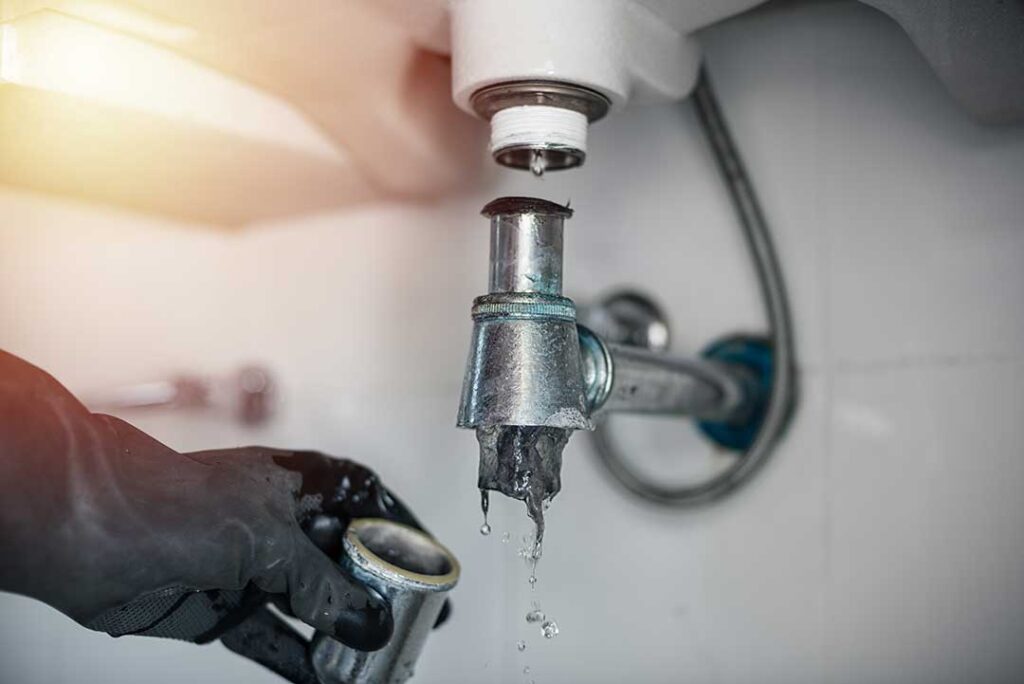
Old plumbing does not always fail dramatically. More often, warning signs appear gradually: rusty water, reduced pressure, recurring leaks, or stains around fixtures. For households in Shelbyville, KY, recognizing these clues early can help distinguish between a small repair and a broader pipe replacement issue.
How long do household pipes usually last?
The expected life of plumbing depends on the pipe material, water conditions, installation quality, and maintenance history. Approximate service ranges are:
- Galvanized steel: 30–50 years
- Copper: 50 years or longer under favorable conditions
- Polybutylene: Often 20–30 years, with a higher risk of failure as it ages
- PVC and CPVC: Commonly 40–70 years, depending on exposure and installation
- PEX: Frequently expected to last 40–50 years or more, although long-term performance depends on the product and conditions
These figures are estimates, not expiration dates. A 60-year-old copper system may still perform well, while a much newer system can develop problems because of poor installation, freezing, physical damage, or unusual water conditions.
The age of the home provides a useful starting point, but the condition of the plumbing matters more than the calendar alone.
What are the clearest signs that pipes need replacement?
Several warning signs suggest that pipes may be deteriorating throughout the system rather than failing at one isolated location.
Discolored water
Brown, orange, or yellow water can indicate corrosion inside older metal pipes. Water that clears after a short period of nonuse may reflect sediment that settled in a household line. Persistent discoloration, however, deserves further investigation.
Blue or green staining around fixtures can be associated with copper corrosion. Black particles may come from deteriorating washers, flexible supply lines, or other components rather than the main piping, so the appearance of the debris does not identify the cause by itself.
Repeated leaks
One leak may be an isolated defect. Several leaks in different parts of the home often point to aging materials, shifting connections, corrosion, or excessive water pressure.
A pattern of repairs is more informative than any single repair bill. If leaks are appearing in kitchens, bathrooms, utility areas, or unfinished spaces over a relatively short period, replacing selected sections may only postpone another failure.
Low water pressure
A gradual loss of pressure can result from mineral buildup or corrosion narrowing the inside of older pipes. It can also come from a partially closed valve, a failing pressure-reducing valve, a clogged fixture aerator, or an issue affecting the public water supply.
If pressure is weak at only one faucet, the fixture is a likely starting point. If several fixtures are affected, the problem may involve the home’s supply piping or a pressure-control component.
Water stains, damp areas, or musty odors
Brown ceiling marks, swollen cabinets, peeling paint, or damp areas near walls can signal hidden plumbing leaks. A musty smell may indicate long-term moisture behind finished surfaces.
Not every stain means a pipe replacement is necessary. Roof leaks, condensation, drain leaks, and appliance connections can create similar damage. The source should be identified before deciding how much piping needs to be replaced.
Does noisy plumbing mean the pipes are failing?
Not necessarily. Banging, knocking, or rattling can be caused by loose pipes, water hammer, high pressure, or quick-closing valves. A humming or whistling sound may come from a restricted valve or fixture.
Noise becomes more concerning when it appears alongside leaks, pressure changes, or visible corrosion. Pipes that move when water is turned on may need better support, while persistent pressure-related noise may require testing of the home’s water pressure.
Which older pipe materials deserve extra attention?
Galvanized steel is a frequent concern in older homes because it can corrode from the inside. The pipe may look intact externally while the internal opening becomes increasingly restricted. Rust-colored water, low pressure, and recurring pinhole leaks are common clues.
Polybutylene piping also deserves careful identification. It was used in many homes built during the late twentieth century and may be gray, flexible, and connected with distinctive fittings. Its condition cannot be judged by appearance alone, and the material can be difficult to distinguish from other gray plastic piping without a closer inspection.
Copper generally has a long service life, but it is not immune to pinhole leaks or corrosion. Conditions that affect copper can include water chemistry, installation practices, high flow velocity, and contact with incompatible materials.
Plastic piping may last for decades, but damage can result from freezing, ultraviolet exposure in inappropriate locations, excessive heat, or improper connections.
How does local weather affect aging plumbing?
Seasonal temperature changes can place stress on exposed plumbing. In Shelbyville, winter cold snaps can affect pipes in crawl spaces, garages, exterior walls, and other poorly insulated areas. A pipe does not have to burst to suffer damage; freezing can stretch or weaken it before a later thaw reveals a leak.
Homes with crawl spaces should receive particular attention around water lines near vents, exterior walls, and access openings. Outdoor hose connections should be disconnected before freezing weather, and indoor shutoff valves for exterior lines should be closed where the plumbing design allows it.
Repeated freeze-and-thaw exposure can turn a small weakness into a recurring leak. If the same area has frozen more than once, replacing damaged sections alone may not solve the underlying insulation or exposure problem.
Should all the pipes be replaced at once?

No. Full replacement is not automatically required just because a home has old plumbing. A partial repair may be reasonable when the problem is isolated, the remaining piping is in good condition, and the material has a reliable service history.
Broader replacement becomes more practical when:
- Leaks are recurring in multiple areas
- The piping is severely corroded or obstructed
- Water pressure remains poor after fixture and valve checks
- The system contains a material with a known history of premature failure
- Repairs are becoming frequent and disruptive
- Remodeling would provide access to concealed pipes
- A large portion of the piping is near the end of its expected service range
A useful distinction is between repairing a symptom and correcting a system-wide condition. Replacing one visibly failed fitting may be enough for an isolated problem. Replacing larger sections may make more sense when the surrounding pipe shows similar corrosion or weakness.
What should homeowners check before deciding?
A careful evaluation should document the plumbing rather than rely on age alone. Useful information includes:
- The home’s construction year
- Pipe materials visible in the basement, crawl space, utility area, or under sinks
- Locations and dates of previous leaks
- Water pressure at several fixtures
- Whether discoloration appears only after water sits unused
- Whether problems affect hot water, cold water, or both
- Areas exposed to freezing temperatures
- Any history of renovations or additions
Water pressure can be measured with an inexpensive gauge attached to a hose connection, but readings should be interpreted carefully. Pressure that is unusually high can strain fixtures and piping, while pressure that is low throughout the home may have several possible causes.
If water is actively leaking near electrical equipment, the area is unsafe to access. Shut off the water if it can be done safely and avoid standing water near electrical components. A sudden loss of pressure, rapidly rising water usage, or a ceiling that is bulging from water requires prompt attention because hidden damage can spread quickly.
Pipe replacement is most justified when age, material, repeated failures, and visible condition point in the same direction. A methodical inspection can prevent unnecessary replacement while also reducing the risk of waiting until a small weakness becomes major water damage.