

 See My Latest Article on HelloNation
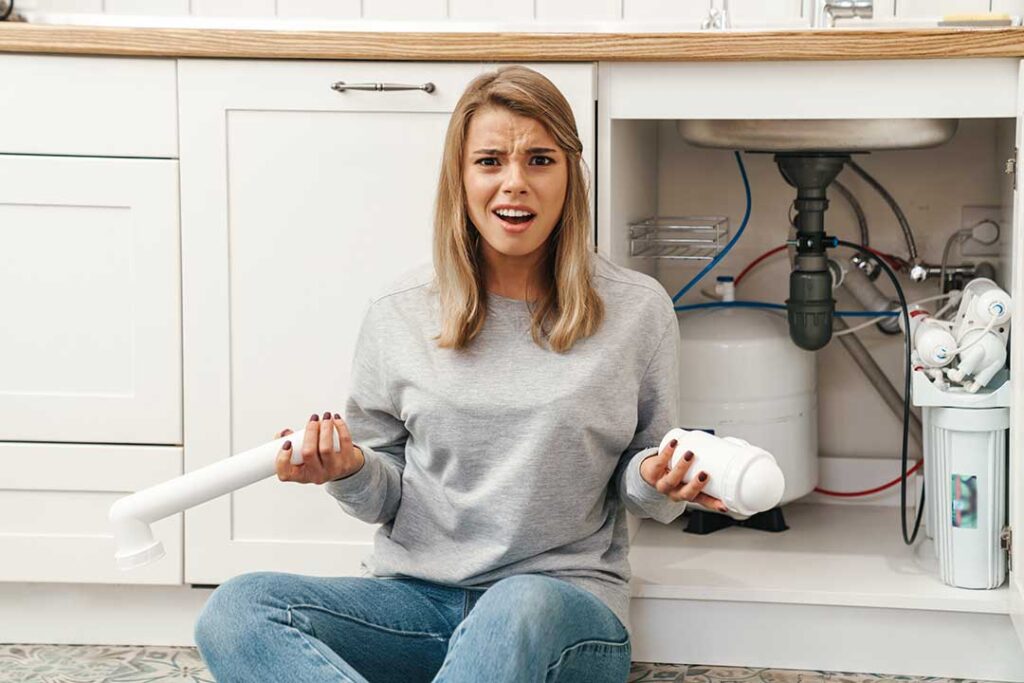
Dropping a ring, hearing aid, watch, contact lens, or another valuable item down a drain can cause immediate panic. In many cases, the item is still inside the drain trap beneath the fixture, where careful steps may recover it without damaging the plumbing.
The safest approach is to stop using the fixture, avoid pushing the object farther into the pipe, and determine whether the item is accessible from above or trapped in the curved section below.
What should you do first?
Stop the water immediately and prevent anyone from using that sink, tub, or shower. Even a small amount of running water can move a valuable item beyond the fixture’s trap and into a larger drain line.
If the item fell into a sink:
- Do not turn on the faucet.
- Do not add water to test whether the drain is working.
- Remove the stopper only if it can be lifted without pushing the object downward.
- Place a container beneath the sink before examining the drain assembly.
- Keep pets and children away from the area.
For a bathtub or shower, avoid using the fixture until the item is located. A strainer may catch larger objects, but smaller items can pass through openings around the stopper or drain cover.
If the dropped object is a medication, sharp item, battery, or substance that may create a safety hazard, avoid handling it casually. Battery corrosion, broken glass, and certain chemicals require extra care.
Can you see or reach the item from above?
Sometimes the item is sitting near the drain opening and can be retrieved without disassembling anything. A flashlight can help illuminate the drain, especially in a deep or dark fixture.
Use tools carefully:
- A flexible retrieval claw may work for a ring, earring, or small metal object.
- Needle-nose pliers can help only when the item is clearly visible and within reach.
- A magnet may attract some steel objects, but it will not recover gold, silver, aluminum, many types of stainless steel, or electronic devices.
- Avoid using a coat hanger or other rigid wire, which can scratch the fixture or push the object deeper.
Do not pour drain cleaner into the fixture. Chemical drain cleaners are designed to dissolve organic blockages, not retrieve valuables. They can damage finishes, create hazardous fumes, and expose anyone working on the drain to caustic residue.
A wet/dry vacuum is sometimes suggested for retrieving objects, but it can be risky. Suction may pull the object farther into the pipe, damage delicate items, or create an electrical hazard around standing water. It should not be the first choice.
Why is the drain trap important?
A sink’s P-trap is the curved section of pipe beneath the basin. It holds a small amount of water that blocks sewer gases from entering the home. That same curved shape often catches rings, coins, keys, earrings, and other objects that fall through the drain.
In many homes, the trap can be removed for inspection. Before doing so:
1. Place a bucket or shallow pan underneath the trap.
2. Put a towel around the work area.
3. Loosen the slip nuts by hand when possible.
4. Support the trap so it does not drop suddenly.
5. Empty the water and contents into a separate container.
6. Inspect the trap with a flashlight before discarding any material.
Older plumbing may have corroded metal connections, brittle washers, or fittings that no longer separate easily. Forcing a stuck connection can turn a retrieval attempt into a leak. Plastic drain assemblies can also crack if overtightened during reassembly.
After recovering the item, reinstall the trap and run a small amount of water while checking every connection for drips. If the drain remains loose or leaks after reassembly, the fixture should not be used until the connection is corrected.
What if the item is not in the trap?
If the object is not in the drain opening or P-trap, it may have traveled into the branch drain. At that point, retrieval becomes less predictable because the pipe may run through a cabinet wall, floor, or enclosed space.
A drain camera can sometimes locate a valuable object, but even seeing it does not always make recovery simple. The object may be:
- Resting in a horizontal section of pipe
- Lodged near a fitting
- Beneath accumulated sediment or hair
- Beyond a cleanout or access point
- Moving intermittently when water flows
Do not repeatedly flush the line or run a drain auger in hopes of finding the item. An auger can scratch, hook, or push the object farther away. It may also damage a delicate item such as a watch, hearing aid, or electronic device.
If the item has substantial financial or sentimental value, documenting what happened can help guide the next step. Record the fixture involved, approximate time, whether water was used afterward, and whether the object is visible from any access point.
Does the type of drain make a difference?
Yes. Sink drains are generally the most accessible because the P-trap is often exposed beneath the cabinet. Bathroom sink stoppers can complicate retrieval because the stopper mechanism may hold the item or obstruct the drain opening.
Kitchen sinks may have more complicated piping, especially if they connect to a garbage disposal or dual-basin assembly. A valuable item dropped into one basin may move through a shared section of pipe, making the exact location harder to identify.
Bathtub and shower drains are usually less accessible because the trap is below the floor. Removing the drain cover may reveal the item, but reaching beyond it can damage the drain body or waterproofing. In homes with crawl spaces, basements, or accessible plumbing areas, the layout may offer additional inspection points, but that depends on how the home was constructed.
Older houses in the area may contain a mixture of updated plastic piping and original metal components. That combination can make apparently simple disassembly more difficult, particularly where corrosion has affected threaded connections.
When should you stop trying to retrieve it yourself?
A do-it-yourself attempt is usually reasonable when the item is visible, the drain trap is accessible, and the connections loosen without force. Stop if the plumbing is corroded, the object has moved beyond the trap, or the fixture begins leaking.
Extra caution is warranted when:
- The item may be contaminated by sewage or chemical drain products
- The plumbing is inside a wall, ceiling, or finished floor
- The object is a battery, electronic device, or sharp item
- A child, pet, or vulnerable person may be exposed to the water
- The drain serves multiple fixtures and its path is unclear
- Removing the fitting could damage older or fragile plumbing
If the object is a wedding ring, identification device, medication, or another item with significant personal value, avoiding additional damage is often more important than making a quick retrieval attempt.
How can valuable items be kept out of drains?
Simple habits prevent most drain losses:
- Remove rings before washing dishes, cleaning, or using harsh products.
- Keep small jewelry away from open sink basins.
- Use a drain strainer that still allows normal water flow.
- Place a towel over the drain temporarily when handling small parts.
- Keep contact lenses, hearing aids, and medications away from bathroom fixtures.
- Secure loose sink stoppers and replace damaged strainers.
- Teach children not to drop objects into open drains.
Seasonal cleaning and home projects can increase the risk because people often wash tools, hardware, jewelry, or small components over a sink. In a busy household, covering the drain before starting those tasks is a simple safeguard.
The key principle is straightforward: stop water use, protect the plumbing from unnecessary force, and inspect the trap before assuming the item is gone. Many valuables dropped into a sink never travel far, but careful handling determines whether they remain recoverable.