

 See My Latest Article on HelloNation
What does a water meter measure?
A water meter measures the amount of water entering a home through the service line. The reading is usually recorded in gallons or cubic feet, depending on the meter and local billing system.
For most households, the meter is located near the point where the water service enters the property. Common locations include:
- A basement or utility area
- A crawl space
- A mechanical room
- An exterior meter box near the street or property line
The meter records total water use, not just water used indoors. Toilets, showers, faucets, washing machines, irrigation systems, outdoor spigots, and leaks all contribute to the reading.
How do you read a standard water meter?
Most modern residential meters have a digital display, while older models use a row of numbers, a sweep hand, or both. To read the meter, record the numbers from left to right and ignore numbers that identify the meter, show decimals, or represent a test function.
A typical meter may include:
- A large number display showing total usage
- A decimal point or smaller fractional digits
- A flow indicator that moves when water is being used
- Arrows or symbols showing the direction of water movement
- A small leak-detection icon or sensitive flow indicator
If the display reads `001234`, the usable reading is generally 1,234 units. The unit may be gallons or cubic feet. The water bill or utility account information should identify which unit applies.
Do not assume that every number on the face is part of the billing reading. Some meters display diagnostic information or cycle through several screens.
What is the difference between a current reading and water usage?
The number on the meter is a cumulative reading. It shows the total volume that has passed through the meter since installation or since the meter was reset.
Water usage is calculated by subtracting an earlier reading from a later reading:
Current reading − previous reading = water used
For example:
- Previous reading: 18,420 gallons
- Current reading: 19,075 gallons
- Water used: 655 gallons
A single reading does not show how much water the home used during a particular month. Two readings taken on different dates are needed for comparison.
If the utility measures in cubic feet, the same subtraction method applies. The result may then be converted into gallons for easier understanding. One cubic foot equals approximately 7.48 gallons.
How can you tell whether water is being used right now?
Turn off every faucet and water-using appliance inside and outside the home. Make sure toilets have finished refilling and that no washing machine, dishwasher, humidifier, or ice maker is operating.
Watch the meter for several minutes. If the main digits increase, the sweep hand moves, or a leak symbol flashes, water is flowing somewhere in the plumbing system.
A small amount of movement may come from a toilet that is slowly refilling or a water-treatment device completing a cycle. If the meter continues registering flow after all known fixtures are off, the property may have a leak.
A useful test is to photograph the meter reading, wait 30 to 60 minutes without using water, and compare the display. Avoid using toilets, faucets, outdoor spigots, or appliances during the test.
What does a moving leak indicator mean?
Many meters have a small triangular, star-shaped, or circular indicator designed to show low-volume flow. It may move even when the main numbers change too slowly to notice.
A moving leak indicator does not always mean there is a serious plumbing failure. Possible causes include:
- A toilet tank valve allowing water to pass
- A dripping faucet
- A water softener or treatment system running a cycle
- An appliance connected to the water supply
- An underground irrigation or exterior line leak
- A small leak in a supply pipe
Toilet leaks are especially easy to overlook because water may flow silently into the bowl. Adding a few drops of food coloring to the tank and waiting about 10 to 15 minutes without flushing can help identify a leaking flapper. Colored water appearing in the bowl indicates that tank water is escaping.
Clean the tank afterward if coloring is used.
How do you check for a household water leak?
Begin with a controlled meter test. Record the reading, stop all water use, and check the meter again after a set period.
If the reading changes, check the most common sources first:
1. Listen for a faint hissing sound near toilets.
2. Check toilet bowls for rippling or unexplained movement.
3. Inspect faucets, hose connections, and refrigerator water lines.
4. Look for damp areas beneath sinks or around water heaters.
5. Examine exposed pipes in basements, crawl spaces, and utility rooms.
6. Check outdoor spigots and irrigation controls.
7. Look for unusually wet or soft ground near buried water lines.
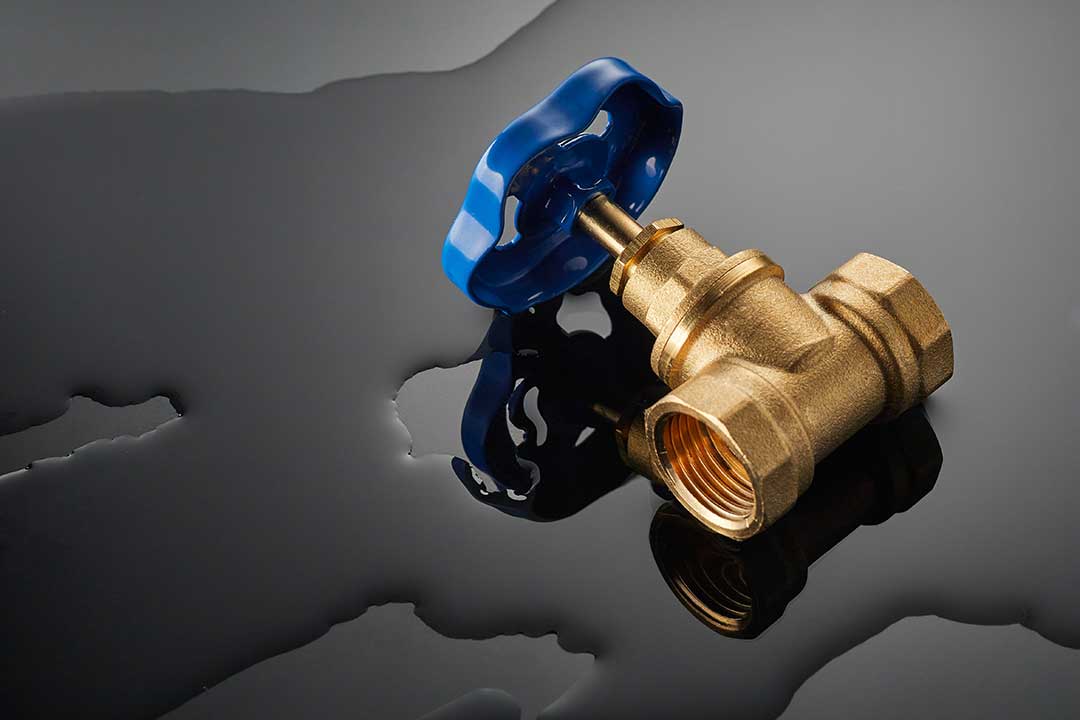
Seasonal temperature changes can also affect plumbing. During freezing weather, a damaged or split pipe may begin leaking after temperatures rise and the line thaws. In older homes, hidden piping may run through areas that are difficult to inspect.
A rapidly changing meter reading, standing water, or water near electrical equipment requires prompt attention because property damage and electrical hazards can develop quickly.
Why might the meter reading seem higher than expected?
A higher reading does not always mean that the meter is inaccurate. Common explanations include a running toilet, guests, extra laundry, filling a swimming pool, outdoor watering, or a leak that has not yet been noticed.
Other possibilities include:
- The previous reading was estimated rather than physically recorded
- The billing period was longer than usual
- A meter was replaced or recalibrated
- A decimal or unit was misread
- Water was used outside the house
- A plumbing fixture continued running after it was assumed to be off
Compare the current reading with the previous bill and note the number of days in each billing period. A daily-use calculation can make comparisons more meaningful:
Total usage ÷ number of days = average daily usage
A sudden increase is more useful as a warning sign than a single unusually high day.
Can a homeowner safely access the water meter?
A homeowner can usually read an accessible meter without touching valves, seals, or utility equipment. The meter should be observed rather than altered.
Do not remove a meter cover, break a seal, turn a utility shutoff valve, or enter a flooded or unsafe meter area. Exterior meter boxes may contain mud, insects, standing water, or damaged components. Interior meters may be close to electrical wiring or other equipment.
If the meter is difficult to read because the display is blank, fogged, damaged, or buried, record what can be seen and report the problem through the appropriate utility channel. Do not attempt to repair the meter itself.
How often should the meter be checked?
Checking the meter once a month can help establish a normal usage pattern. More frequent checks are useful after a plumbing repair, during extended vacations, or when a bill changes unexpectedly.
Before leaving a home unoccupied, record the meter reading and shut off the home’s interior water supply if the plumbing arrangement allows it safely. After returning, compare the reading. Any unexplained increase may indicate a leak that developed while the home was empty.
For households in Shelbyville, regular observation can be particularly useful during seasonal transitions, when outdoor water use changes and freezing temperatures may place stress on exposed or poorly insulated plumbing.
What should be recorded for future reference?
A simple log can make water-use problems easier to identify. Record:
- Date and time
- Meter reading
- Whether the reading is in gallons or cubic feet
- Number of people in the home
- Unusual water use, such as filling a pool or watering landscaping
- Any plumbing repairs or suspected leaks
Photographs can also help document the display, especially when comparing readings across billing periods. The goal is not to monitor every drop of water but to recognize a clear change from the household’s normal pattern.